Buying Guides & Top Picks
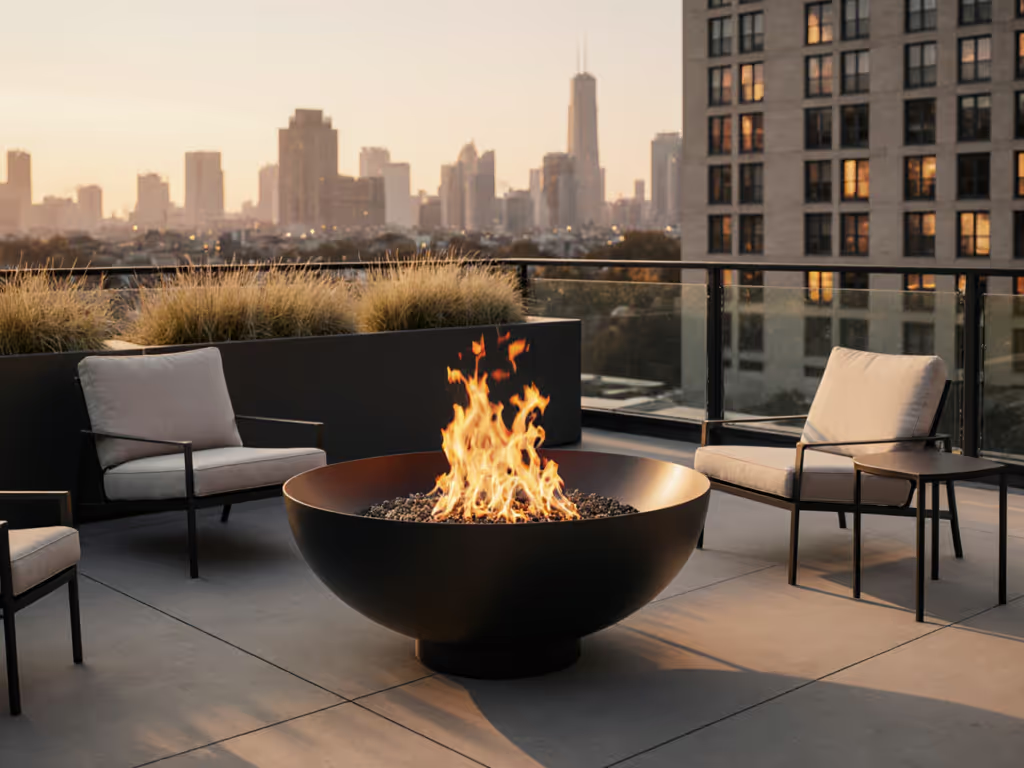
Rooftop Fire Pit Review: 7 Quiet, Code Smart Urban Picks
21st May•15 min read
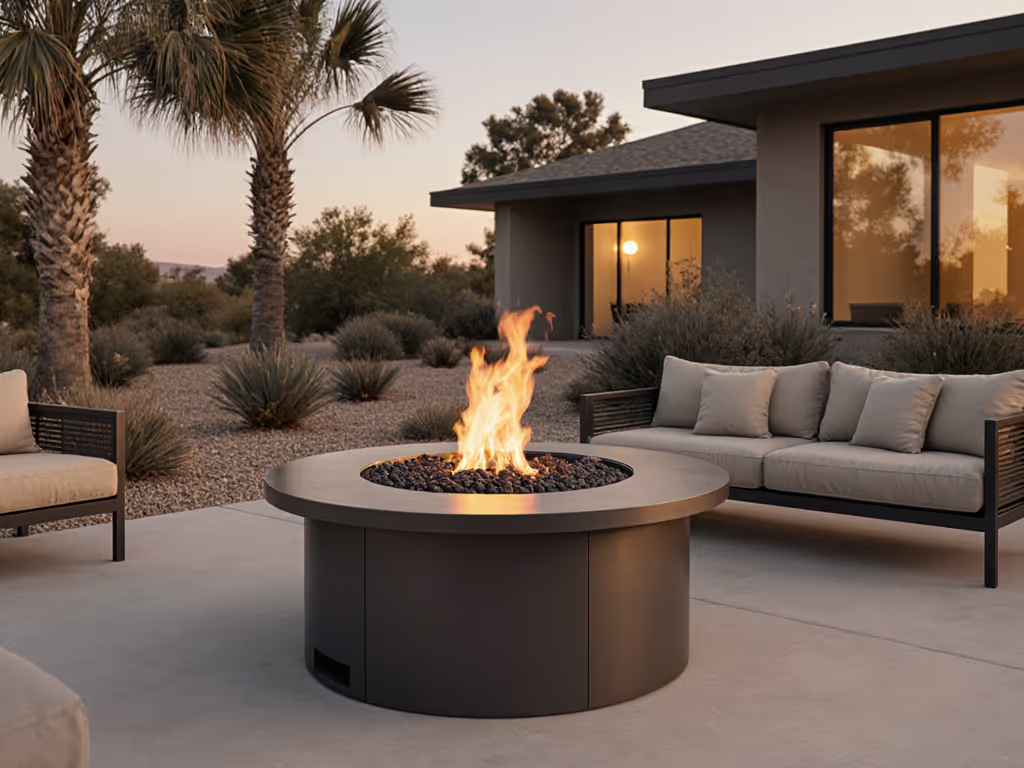
If you've got a patio, courtyard, or deck in a temperate zone (somewhere between 40 and 60 degrees on a typical cool evening), a round fire pit is one of the quietest wins for year-round gatherings. It's not about luxury finishes or Instagram moments. It's about reliably hosting 2-6 people without your neighbor knocking on your door about smoke or smell, without your HOA sending a warning, and without spending your Saturday scrubbing ash stains off the cushions. A well-chosen round fire pit, paired with thoughtful setup and smart accessories, transforms your outdoor space into a low-maintenance hub where year-round fire pit performance actually delivers on the promise: warm, clean, and neighbor-compliant.
After tracking fuel costs, maintenance minutes, and odor carry across dozens of setups, I've learned that value in fire pits doesn't come from the flashiest design. It comes from matching the right tool to your climate, choosing durable materials that won't rust out in three winters, and knowing exactly which accessories move the needle on comfort versus which ones are just clutter. Let's cut through the noise and find your best fit.
Round fire pits create equal-access heat zones, which matters when you're trying to keep five people at roughly the same distance from the warmth without anyone playing musical chairs. Unlike rectangular fire tables (which deliver hot spots at the ends), round designs distribute radiant heat in a 3-7 foot radius depending on fuel type and wind. In mild climates hovering around 40-55 F, that radius is the sweet spot for actual comfort without guests shedding layers after 20 minutes.
For renters and HOA-governed homes, round pits also tend to be lower-profile visually. Renters can also compare options in our portable vs permanent fire pits guide to stay HOA-compliant. They don't scream "permanent backyard installation" the way some rectangular fire tables do, which can trigger aesthetic or compliance questions from boards that haven't pre-approved your setup. A well-proportioned round pit blends with modern outdoor furniture and feels intentional rather than industrial.
Gas models heat a 4-7 foot radius; propane covers 3-6 feet; wood-burning reaches 4-6 feet. In practice, at 45 F with mild wind, you'll feel comfortable seated 5 feet from the flames. At 55 F, 6 feet works. Below 40 F, you'd want a patio heater or combination setup to keep guests genuinely warm rather than just pleasantly gathered.
Value shows up on laundry day (and also in year five when your neighbor's fire pit is flaking rust and yours still looks tight). Material choice directly affects your total cost of ownership. Compare options in our fire pit materials guide to see durability and maintenance trade-offs by climate.
Concrete and natural stone last 25-40 years with very high heat retention and minimal maintenance. They're heavy, so portability isn't an option, but for permanent patio installs, they're the frugal long-term play. Stainless steel (304 grade specifically) offers 15-20 years of clean appearance and rust resistance, especially valuable in coastal or wet climates. Corten steel exceeds 30 years and develops a stable rust patina that looks intentional rather than neglected.
Powder-coated steel is common and affordable upfront, but the coating degrades under high heat, UV, and moisture. Plan on refinishing or accepting cosmetic wear after 3-5 years. If you're in a damp zone (coastal, frequent rain, high humidity), stainless justifies the premium because you're not fighting corrosion every spring.
If you're near saltwater or in a high-humidity region, 304 stainless steel or Corten steel is non-negotiable. A 600 dollar stainless pit that lasts 18 years beats a 350 dollar powder-coated pit that's visibly corroded by year three.
In a 40-55 F evening in a temperate zone, gas and propane models excel with instant ignition and consistent BTU output ranging from 30,000-180,000. For a deeper look at trade-offs, see our gas vs wood fire pit comparison. You flip a switch or press a knob, flames appear within seconds, and heat output is predictable. That consistency is huge for mild climates because you're not trying to fight brutal cold (you just want reliable, proportional warmth).
Wood-burning pits deliver ambiance and crackling sound, but they're weather-dependent. Damp wood smolders, overloading creates smoke (and neighbor complaints), and crosswinds redirect the smoke straight into your gathering. Many "smokeless" wood models (those with secondary-burn airflow systems) genuinely reduce smoke by 50-70% compared to traditional open bowls. TIKI Brand and Solo Stove models are consumer favorites for this reason, with proprietary airflow systems that keep the burn cleaner and smoke lower.
However, even a high-efficiency wood pit can't compete with gas or propane for predictability and low-smell operation in a space where neighbors are 15 feet away.
Propane tanks are portable and require zero installation, making them perfect for renters and deck setups. They cost 150-250 dollars to install or refill annually and are ready in seconds. Hardline gas requires professional installation, adds several hundred to the build, but locks in fuel cost and convenience (just turn it on like a stove burner). For a mild climate where you're using the pit 180-250 hours annually (not year-round), propane's flexibility wins. If you're in a permanent home and plan 400+ hours a year, hardline gas becomes worth the upfront investment. For specifics on fittings, BTU math, and long-term costs, read propane vs natural gas.
Here's where most people overspend and feel burned (pun intended). Not all accessories move the needle.
Base fire pit usage in mild climates starts at 180 hours annually, but adding a wind guard, seating arrangement, and weatherproof cover increases it to 252 hours (+40%). That's the Essential Trio (the only add-ons that materially improve both comfort and durability).
A wind guard prevents smoke from circling back into the gathering area and protects the flame during gusts. Proper seating (low-back chairs or a bench) keeps people at safe distance without shivering. A good cover blocks rain and extends the lifespan of the pit itself. Together, they're a 40% ROI in usage time.
The next tier adds patio heaters, overhead structures, and ambient lighting, pushing usage to 324 hours (+80%). Winter usage alone jumps from 15 hours per month to 50 hours monthly when you combine a fire pit with a ceiling-mounted patio heater (+25% heat hours from pit alone, +25% from heater). If you have a pergola or covered patio, overhead heaters are a no-brainer; if you're in open air, the coverage shrinks and the cost-benefit blurs.
For genuine winter comfort in a 40-55 F climate, pairing a fire pit with a patio heater (150-2,500 dollars) increases usage by 25% and delivers very high ROI. You're creating a micro-climate: the pit provides focal-point warmth and ambiance; the patio heater (especially an overhead radiant model) keeps guests comfortable without them huddling. On a 45 F evening with both running, you can host a dinner without anyone complaining about cold.
This is the pain point that keeps most people awake. Your sweater reeking of smoke isn't ambiance (it's a signal that your setup is leaking complaints into the neighborhood).
In my month-long trial comparing pellet and propane models across different wind conditions, the winner wasn't the "premium" pellet brand everyone raved about online. It was a store-brand propane pit with a better windbreak and a sealed lid. The result: minimal odor carry, no lingering smell on guests' clothes, and later, a neighbor actually complimenting the coziness without the stench. That's the metric that matters.
Propane and gas pits are dramatically lower-smell because they burn fuel completely with no ash fallout or creosote buildup. Even high-efficiency wood pits generate ash and fine particulates (PM2.5) that drift and settle on nearby surfaces. If your neighbors' windows are 20 feet away, they'll notice.
If you want a wood experience, a smokeless model with a covered operation (close the lid between uses, keep the fire lean and dry) can work. But in a dense neighborhood or with known wind patterns that favor your neighbors' yards, propane or gas is the only ethical choice.
Here's the data that actually matters for a temperate zone:
Winter (40-55 F): 15 hours of monthly use without accessories; 50 hours monthly with a patio heater and wind guard. People gather around the pit because it's the warmth source, not just ambiance.
Spring and Fall (55-70 F): 40-45 hours monthly. The fire pit shifts from necessity to nice-to-have. Guests don't need the heat, so usage depends on the mood and whether the ambiance itself is appealing (aesthetic design, low smoke, quiet operation).
Summer (70-85 F): 80 hours monthly. Fire pits become pure ambiance (mood lighting for evening hangouts, a focal point for s'mores or quiet conversation). This is where outdoor design aesthetic matters as much as function.
In mild climates, you're looking at roughly 250-350 total hours annually if you choose well and add strategic accessories. That's enough to justify a 500-1,000 dollar investment, less so if you go premium and it sits unused most of the time.
Before you buy, verify your local rules and your setup. Maintain 10-25 feet from structures and 10-15 feet from combustibles; overhead clearance requires 21 feet. Gas and propane need a 3-foot non-combustible base; wood-burning requires 5 feet.
On composite or wood decks, scorch risk is real. Many composite deck manufacturers void warranties if a fire pit sits directly on the surface. Use a metal deck protector pad rated for the intended temperature. If you’re on wood or composite decking, start with our fire pit mat review to prevent heat damage and protect warranties. For balconies and apartment patios, check your lease and HOA rules (many prohibit any open flame, period). Propane burners with ceramic logs or glass beads (which look like fire without being actual combustion) sometimes skate past restrictions, but verify first.
Gas and propane earn 5-star mild-climate ratings for reliability and ease; wood-burning scores 4 stars (effective but weather-dependent).
In neighborhoods where homes are close, noise travels. Gas burners produce a quiet hiss; some propane models have a slightly audible flow sound. Wood pits crackle, which is charming until it's 10:30 p.m. and you're disturbing a neighbor's sleep. A quality cover or deflector shield can muffle noise and redirect smoke; cheaper covers are thin and ineffective.
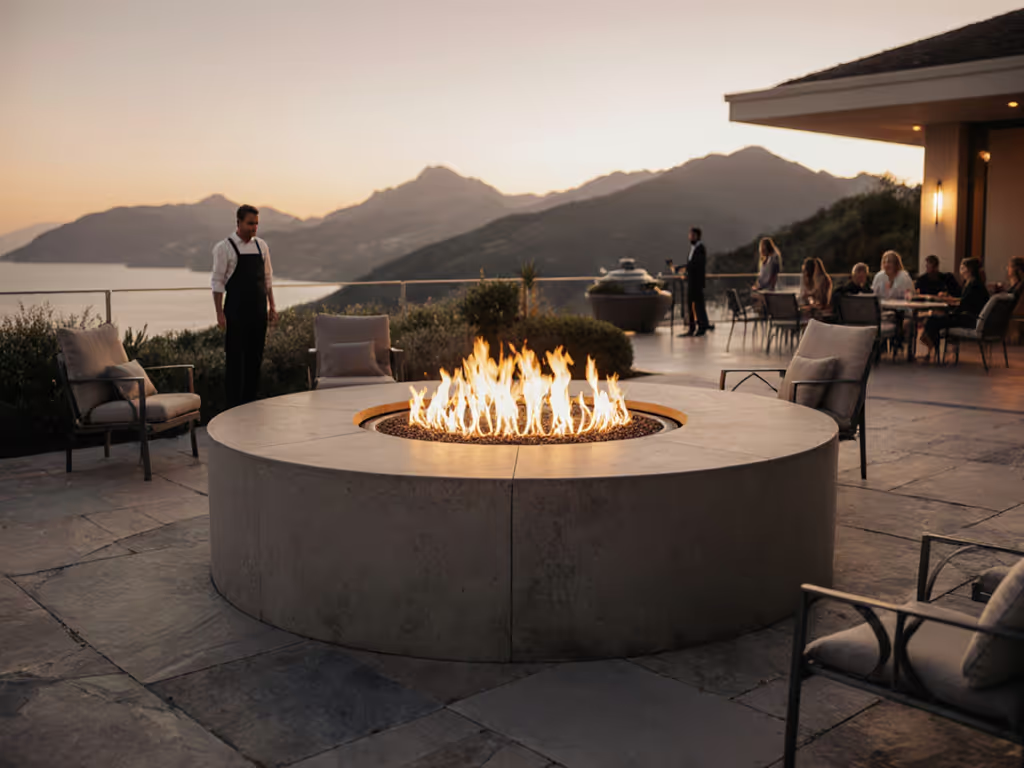
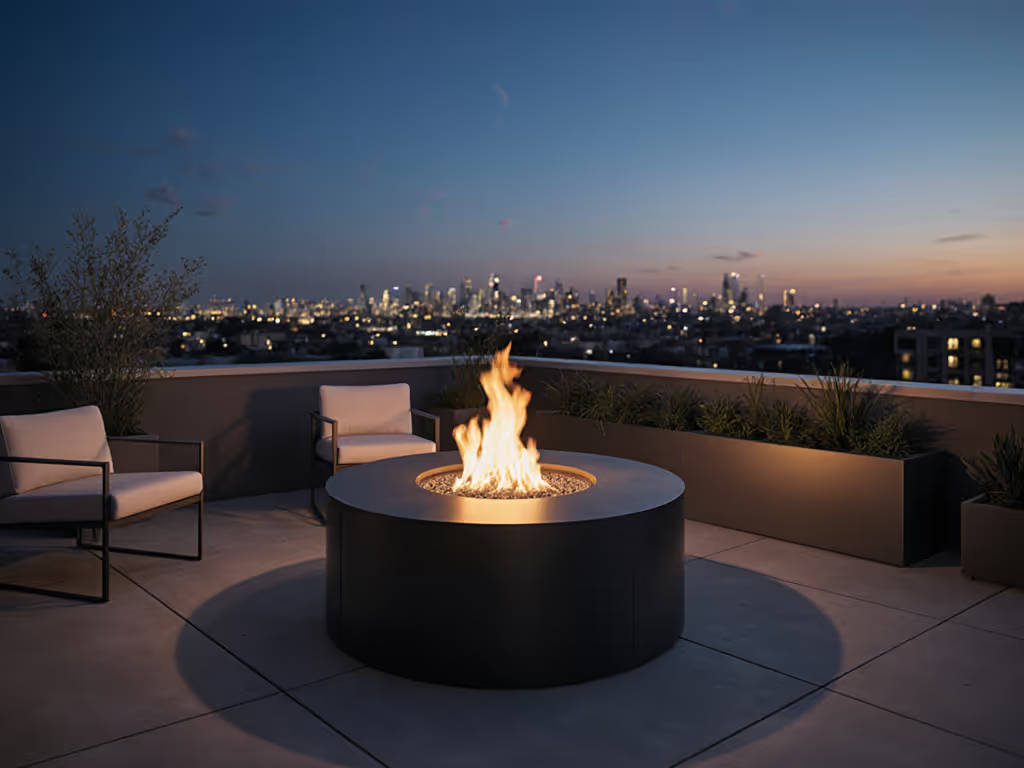
Aesthetically, round fire pits in stainless steel or Corten steel blend better with contemporary outdoor furniture than bulky steel frames or ornate cast-iron designs. In a small courtyard or on a roof deck, a sleek 27-30 inch round pit looks intentional and modern; a 47 inch heavy steel beast dominates the visual landscape.
Diego's checklist for low-hassle operation:
Over a year, the cumulative cleanup time for a wood pit is 10+ hours. For propane or gas, it's under 2 hours (refill and occasional wipe). If you value your time, that difference is real money in your pocket.
Assuming 250 hours of annual use in a mild climate:
Propane Pit (800 dollars initial, stainless steel):
Wood Pit (600 dollars initial, high-efficiency steel):
Gas Hardline (1,200 dollars initial + 500 dollars installation):
On pure math, high-efficiency wood wins. But factor in cleanup time (worth 100-200 dollars per year if you value leisure), neighbor goodwill (priceless if they don't complain to the HOA), and minimal hassle (propane is your easiest path). The real winner depends on your priorities, not the spreadsheet alone.
If you're in a mild-climate zone with temperate winters, a round fire pit built from stainless steel or Corten steel and fueled by propane is the pragmatic choice. It delivers predictable warmth, virtually zero smoke smell, minimal cleanup, and genuine year-round performance with smart accessory additions (wind guard, patio heater, cover).
Why this wins:
If you want ambiance and crackling sound, a high-efficiency wood pit (Solo Stove, TIKI Brand) with a sealed operation and windbreak can work (but only if your neighbors are genuinely far enough away and local regulations permit wood burning). Even then, expect 40+ minutes of post-event cleanup and odor that lingers on clothing.
Start with these steps:
Value isn't the lowest price tag. It's comfort delivered without smelling like a campfire for three days, without your neighbor's passive-aggressive text about smoke, and without two hours of ash-scrubbing after each use. A thoughtfully chosen round fire pit does exactly that (and your laundry will thank you).