Comparisons & Decision Guides
Multi-Generational Fire Pit Comparison: Family-Safe Heat
29th May•12 min read
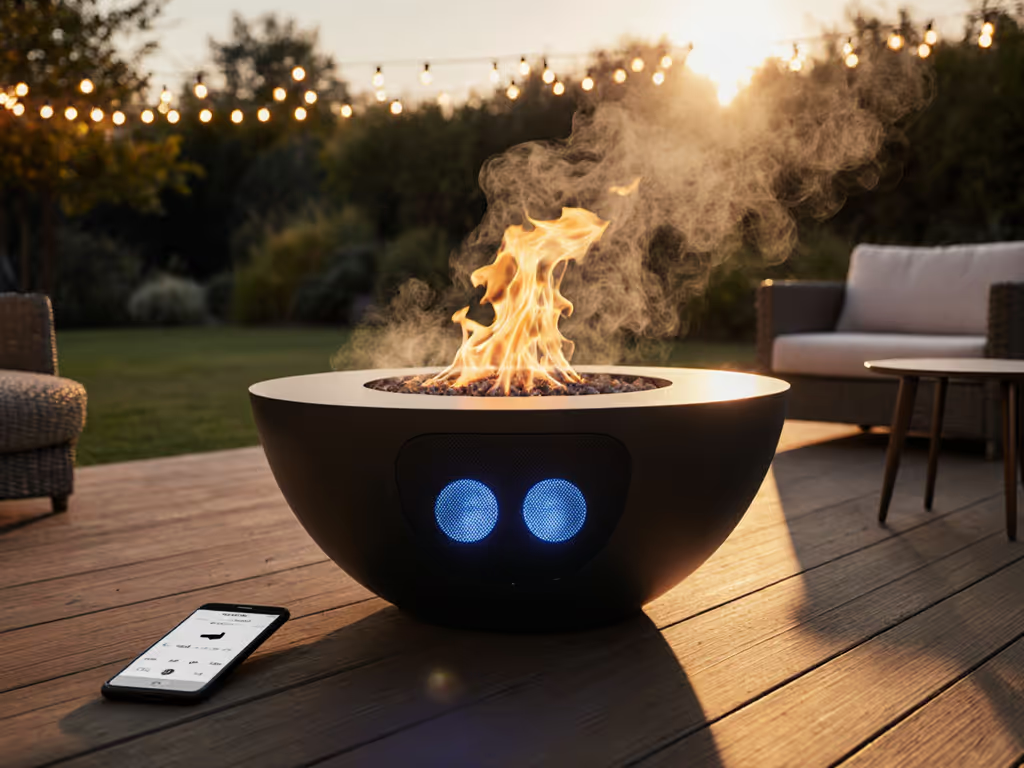
Audio-integrated fire pits (units that synchronize flames to music via fire pit with Bluetooth speakers technology) represent a novel category in outdoor entertainment. Unlike traditional burners or wood-burning setups, these devices embed speaker systems and reactive flame systems to create a multi-sensory experience. But for thoughtful hosts in dense neighborhoods, the real questions extend beyond ambiance: How do these units perform on emissions? What are the safety and compliance considerations? And most importantly, does the audio feature justify the added complexity?
Audio-integrated fire pits are best evaluated through the lens of neighbor harmony, emissions control, and practical hosting outcomes (applying the same rigor you'd use to audit building codes or appliance energy labels).
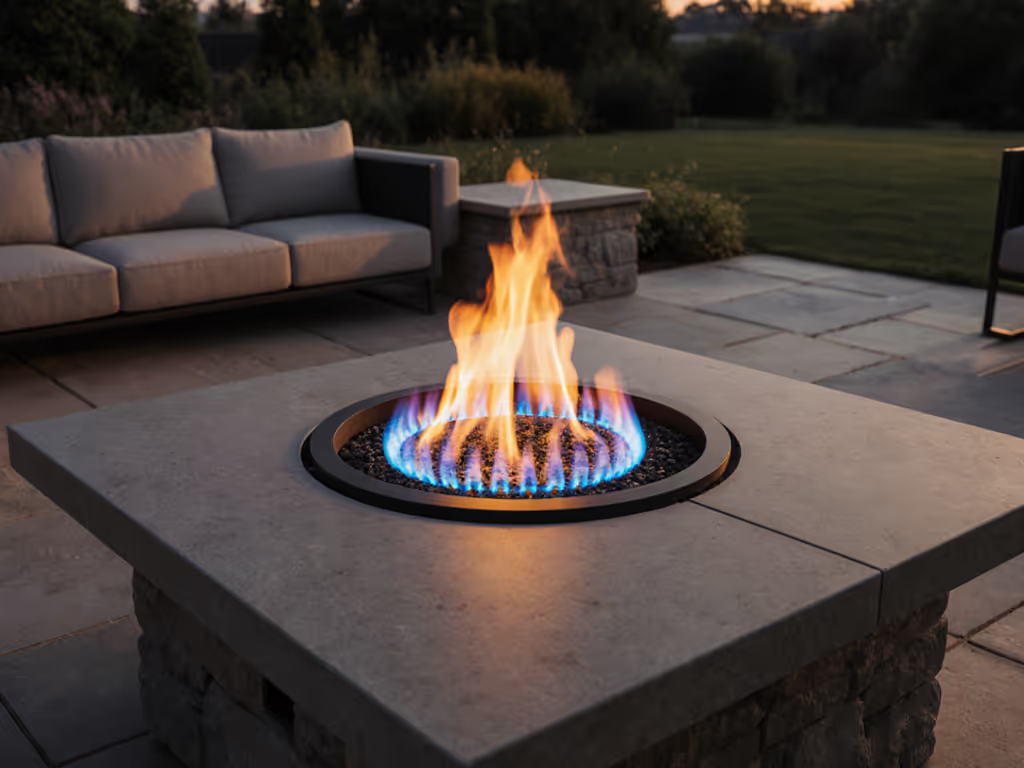
Audio-integrated fire pits connect to your smartphone via Bluetooth and use a smart fire pit audio system to detect music frequencies and synchronize flame movement accordingly. The best-known example is the Blazing Beats 38-inch square fire pit model, which uses patented sound visualization burner technology. Instead of a static flame, the burner features micro-perforated holes engineered into 14-gauge 304-grade stainless steel; flame height and color pulse in real time to match the rhythm and intensity of the music you're playing.
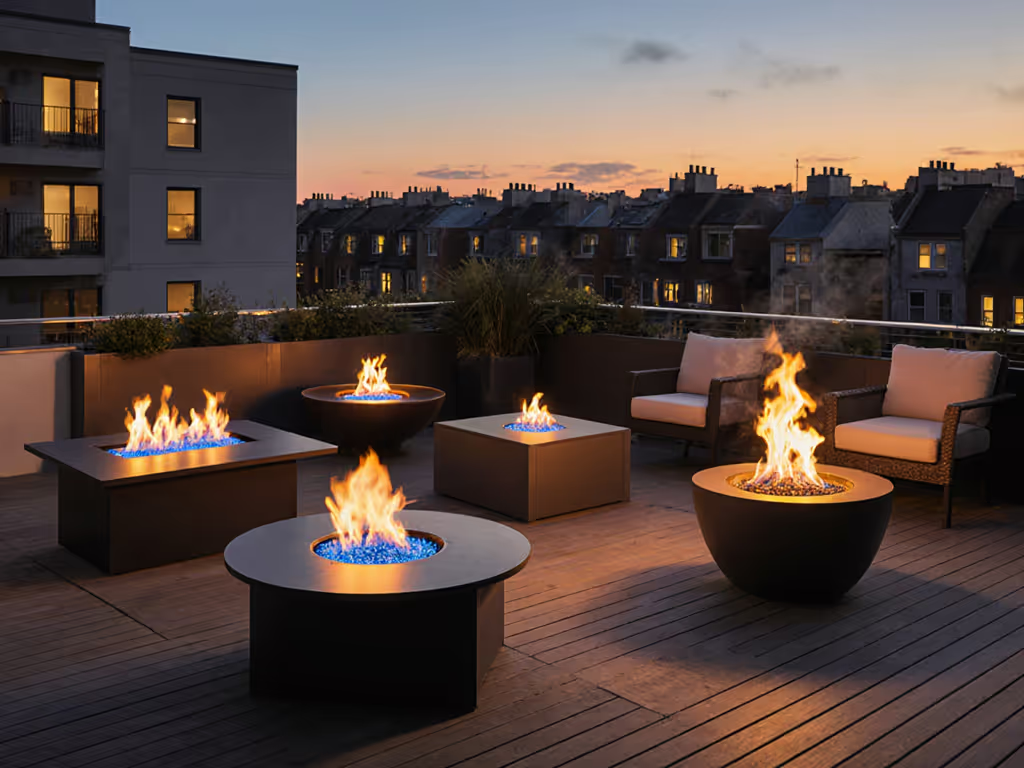
Competitors like the Ukiah Tailgater II and Ukiah Voyager take a similar approach: they pair propane fire tables with marine-grade speaker systems (typically 60-foot Bluetooth range and 20+ hours of battery backup) and a feature called "Beat-to-Music" mode that makes flames rise and fall with the beat. You control volume and song selection from your phone or a physical dial on the unit.
The pitch is straightforward: transform a static gathering into a multi-sensory fire pit experience where the fire becomes a visual instrument responding to your playlist in real time. For s'mores nights, casual entertaining, or outdoor dining, this adds novelty and engagement, especially for younger guests or social media content creation.
For hosts who entertain frequently and value experiential entertainment, audio integration does deliver on novelty. The synchronization is real (flame response is measurable and repeatable), and it can spark conversation and create memorable moments. If your hosting style centers on curated playlists and group energy, the feature aligns genuinely with your intent.
However, this benefit is entertainment, not function. Audio does not improve heat output, reduce fuel consumption, lower emissions, or make operation simpler.
Adding Bluetooth speakers and electronic flame-control systems introduces several practical costs:
Operational complexity: The audio system requires battery maintenance, firmware updates, and Bluetooth pairing before each use. If the speaker or control module fails, the entire audio component is offline, though the base fire pit continues to function. Repair costs and warranty coverage vary significantly between brands.
Fuel and ignition logistics: Most audio-integrated models run on propane (ranging from 20-pound tank hook-ups on portable units to large square tables with integrated tanks or hardline feeds). Propane-only rules out the wood-burning and secondary-burn advantages for neighbors concerned about smoke profiles. You're committed to a cleaner burn profile (which is good for air quality), but also to scheduled tank refills and propane storage.
Maintenance of electronics in outdoor air: Marine-grade speakers and stainless steel housings resist corrosion better than standard outdoor speakers, but salt spray, humidity cycles, and thermal stress still take a toll over 5-10 years. Coastal or wet climates will see faster degradation.
Cost: Audio-integrated propane tables typically start at $400–$600 for entry models (Ukiah Tailgater II at $599, for example) and climb higher for larger or premium brands like Blazing Beats. Traditional propane fire tables without audio often cost $250–$400, and wood-burning setups can be $150–$300. The audio premium is a 50–100% markup for a feature that has no impact on thermal or air-quality outcomes.
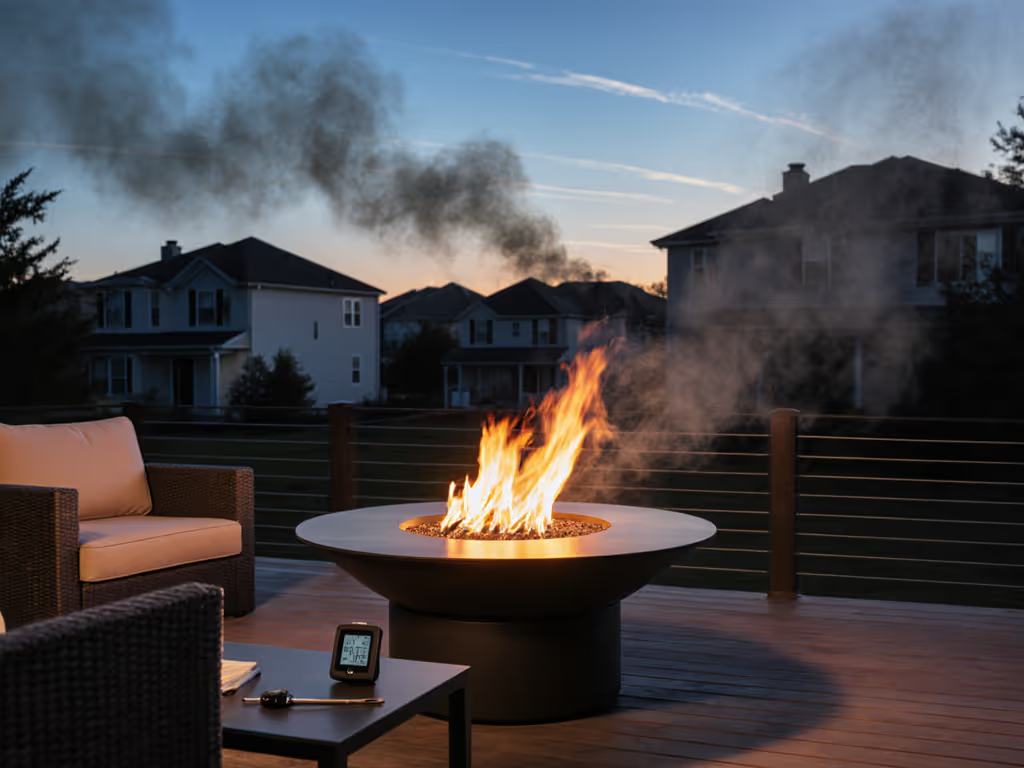
Audio-integrated pits are almost exclusively propane-fueled, which is a structural advantage for emissions. Propane burns with lower particulate matter (PM2.5) and volatile organic compounds (VOCs) compared to wood, even secondary-burn "smokeless" pits running damp kindling or overloaded fuel beds. For a deeper breakdown of emissions and costs, see our gas vs wood fire pit comparison. A neighbor downwind gets cleaner air. The burn profile is also more predictable: no variation based on wood moisture, stack drafts, or cross-winds that turn a clean fire into a smoke plume.
Bluetooth speakers themselves do not affect combustion chemistry. The propane burns the same way whether the audio is on or off.
Here is where thoughtful hosts diverge from marketing promises. Even the cleanest propane burn disperses differently depending on:
A low-cost sensor study (the kind you can replicate with two PM2.5 monitors and basic wind logging) reveals the curve: small tweaks to burner load, placement, and wind guards drop neighborhood exposure dramatically. But the audio system does not participate in this mitigation. Cleaner burns travel farther than apologies and air purifiers, yet the audio feature adds no dispersal advantage.
Propane fire tables generate significant radiant heat. Deck surface temperatures directly under or adjacent to the burner can exceed 140°F, posing scorching risk to composite decks, wood with finish, vinyl railings, and siding. Electronic ignition and automated burner control do not reduce this risk. Some models include metal guard skirts or require spacer feet, so verify the specific model's clearance specs with your HOA or local fire marshal. For placement rules and clearance charts, see our 10-foot fire pit distance guide.
Propane burns cleaner than wood, but propane burners with multiple flame jets can still eject small embers if wind gusts into the unit. Audio-integrated tables don't eliminate this; they don't change combustion physics. You still need a spark screen or wind guard if you're on a roof deck or near siding. The electronics add no safety feature here.
Marine-grade seals and stainless-steel housings resist water ingress, but the battery compartments and charging ports are potential failure points in heavy rain or if you're storing the unit outdoors year-round. Verify IP (ingress protection) ratings and manufacturer guidance on winter storage. Some jurisdictions require outdoor electrical devices to be on ground-fault-interrupter (GFI) circuits; confirm with your local code before purchasing.
The speaker system itself adds operational noise. Bluetooth audio at typical outdoor volumes (70-80 dB at 10 feet) can carry into neighbor bedrooms or quiet-hour zones after 10 p.m. To stay neighbor-friendly, follow our fire pit etiquette guide. This is a compliance risk in dense neighborhoods and HOAs with strict quiet-hours policies. The propane burner adds subtle hiss and occasional crackle, but audio amplification is the louder layer. Protect lungs, then chase ambiance, but also protect sleep and peace.
Audio-integrated propane tables advertise 80,000-120,000 BTU output. In practice, radiant warmth effective seating radius depends on outdoor temperature, wind, humidity, and your tolerance for indirect heat. A 100,000 BTU burner keeps 2-4 people comfortable at 45-55°F in calm conditions; at 35°F or with wind, effective radius shrinks or you'll need additional insulation (wind guards, backed seating) or supplemental heat (outdoor heaters or blankets). For measured warmth-radius data and seating zones, see our heat pattern study.
The audio feature does not affect thermal performance. The flame's height and motion are aesthetic; they don't change heat flux to the seating area.
Audio integration makes sense if:
Audio integration is a stretch if:
From an emissions and air-quality standpoint, propane fire pits (audio or not) are significantly friendlier than wood setups in shared spaces. You're choosing a cleaner burn, which is genuinely generous. But the audio layer doesn't enhance that gift; it adds cost and complexity. If your core motivation is neighbor harmony and health, spend the saved budget on a wind guard, a quality spark screen, or placing the unit where prevailing winds carry any residue away from shared walls and windows.
Stainless-steel burners and marine-grade speakers are more durable than standard outdoor furniture, but they're not immortal. In coastal climates or areas with high humidity, expect visible corrosion or discoloration within 3-5 years on non-premium finishes. Annual inspection and oiling of connections is prudent.
If your fire pit is portable (tank-feed models), store it indoors or in a sealed cover during winter to protect the speaker enclosures and battery compartments from freezing. Drain any residual propane and disconnect tanks. Hardline-fed units mounted to patios need weatherproof covers; confirm the manufacturer's recommendation.
Electronic ignition on propane units is reliable and fast, typically 10-15 seconds to full flame without matches or lighters. Shutdown is equally simple: turn a dial or press a button. There's no ash to sweep, no smoldering coals to manage, and no soot residue on nearby furniture. This is a genuine quality-of-life improvement over wood.
Bluetooth pairing is standard smartphone procedure, but it requires line-of-sight signal strength (60 feet nominal range) and clear passwords. On your first use, budget 5-10 minutes for setup. Subsequent sessions are faster if the pairing persists; occasional re-pairing may be needed if the speaker reboots.
Propane pits generate minimal residue. Wipe down the exterior if any dust accumulates; no deep cleaning required unless soot or spill occurs. Compare this to wood pits, where ash spreads, covers stain, and residue clings to cushions and hair.
Audio-integrated fire pits represent genuine innovation, and if you're an entertainer who values playful, high-engagement gatherings, they deliver on that promise. But they're not a functional upgrade; they're an entertainment layer atop a propane fire table.
If emissions, neighbor harmony, and hosting reliability are your top priorities, invest instead in a well-made traditional propane fire table, a quality wind guard, and a low-profile spark screen. The money and maintenance burden you save can go toward premium seating, food, or a speaker system you select independently.
If audio entertainment is core to your vision, the Ukiah and Blazing Beats options are credible implementations of the concept. But enter with eyes open: you're paying for novelty and engagement, not air quality or safety. Your clean burn is the gift. The flames dancing to the beat is the cherry on top.
As you weigh your options, consider documenting your own hosting conditions: prevailing wind direction, neighbor proximity, typical guest count, and frequency. These variables matter far more than any single feature. If you have neighbors with sensitivities (asthma, allergies, or simply a preference for quiet), consult with them before purchasing. Cleaner air starts with conversation, not equipment alone. You might also reach out to your local air-quality district or HOA to confirm propane-use policies and any evolving emissions or noise guidelines in your zone. The best fire pit is the one that fits your actual hosting life and keeps your neighbors breathing easy.