Fire Pit Allergy Season: Setup Tips for Clear Air
By Maya Chen • 19th Mar
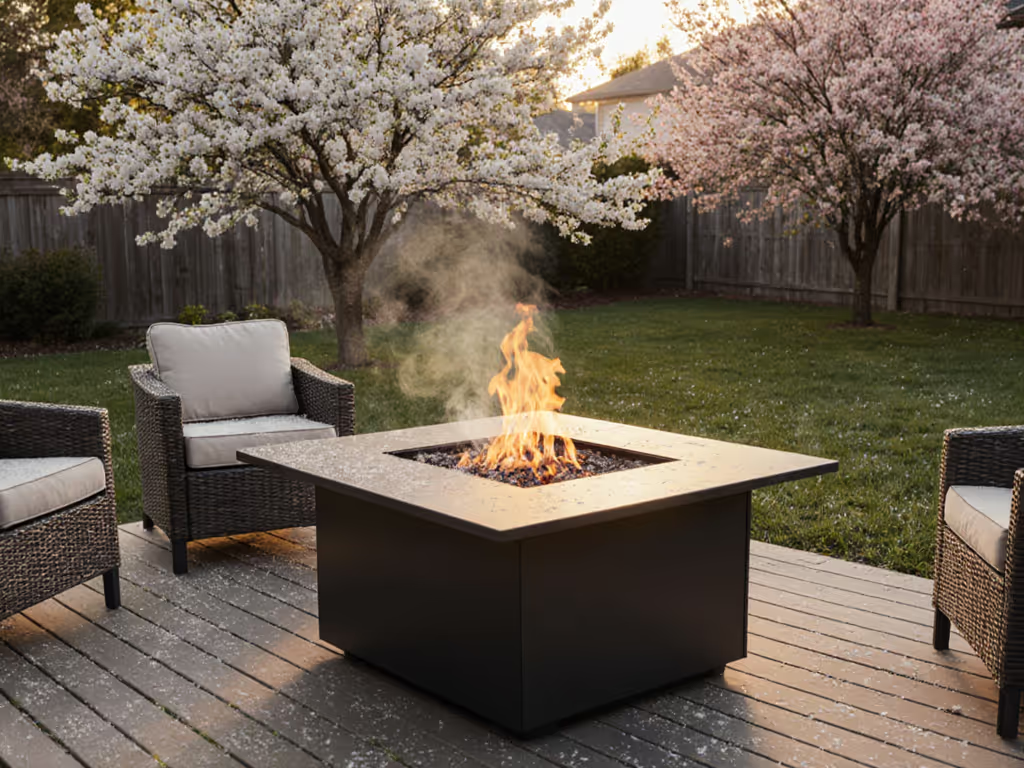
When fire pit allergy season arrives, most hosts face a familiar dilemma: create a cozy outdoor gathering without triggering respiratory issues for guests, or worse, angering neighbors with drifting smoke. After years of field-testing fire pits with air-quality monitors strapped to my equipment, I've learned that claiming a pit is "smokeless" means nothing until you measure PM2.5, wind speed, and feed rate side by side. This guide translates that instrumented approach into actionable setup rules that actually work.
Control your variables, control your air quality.
During one winter test, I logged a commercial pit's heat flux and particulate output while a neighbor dined 40 feet upwind. The vendor's brochure promised clean burn, but my data logger told a different story: spikes in PM2.5 coincided with every rushed refuel and cold-start. Only after slowing my wood feed rate and tweaking the primary air inlet did the plot flatten, and the neighbor texted, unprompted, to thank us. That single graph shift from noisy to smooth was worth more than any testimonial. Below, I've distilled seven setup moves, each grounded in real-world metrics or safety codes, that reduce smoke, odor, and neighbor friction.
1. Position Your Fire Pit at Least 10 Feet from Buildings and Overhanging Structures
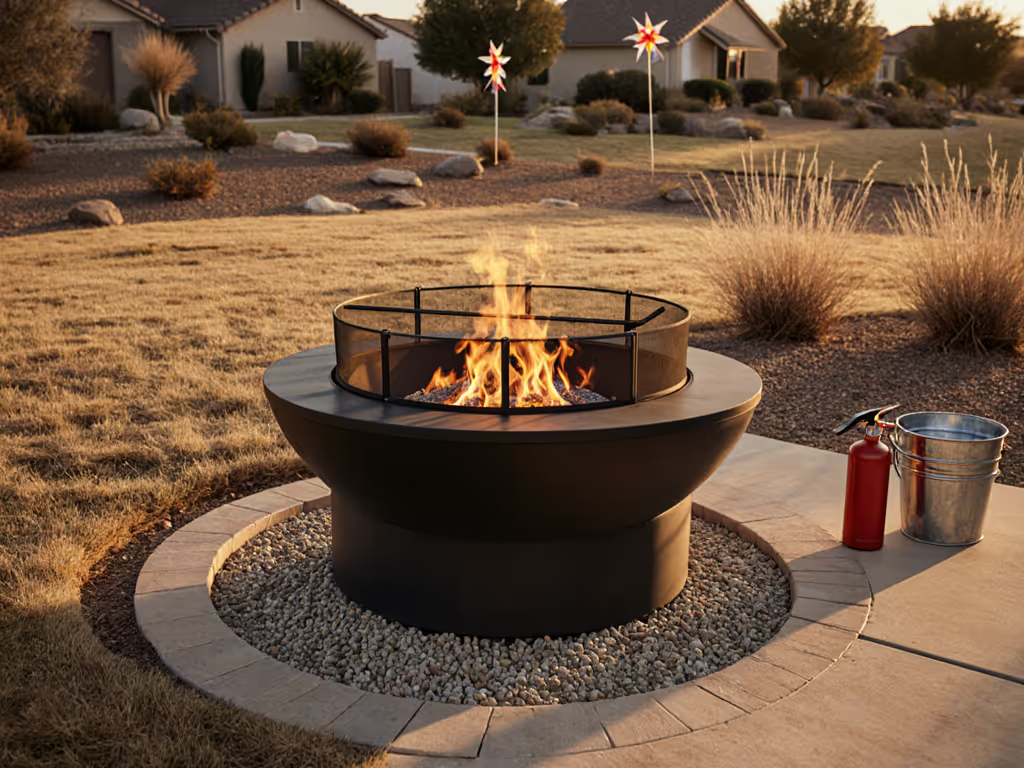
This isn't style advice, it's thermodynamics and liability. Place your fire pit on a flat, non-flammable surface at least 10 feet away from buildings, tree branches, and overhanging eaves.[1] In small courtyards or rooftop patios, that clearance shrinks your usable space, but it's non-negotiable. A flat base prevents tipping and uneven heat distribution; uneven heat creates micro-zones of incomplete combustion, which spike particulates.
If you're on a composite or wood deck, use a fireproof mat or protective base to prevent scorch and ember penetration.[4] Metal decks amplify radiant heat, so a mat also protects your deck skin. This single step eliminates the risk of surface damage at the exact moment a guest points out smoke and heat radiating onto vinyl siding 8 feet away, and your homeowner's insurance claim gets complicated.
2. Monitor Wind Direction and Choose Your Upwind Anchor Point
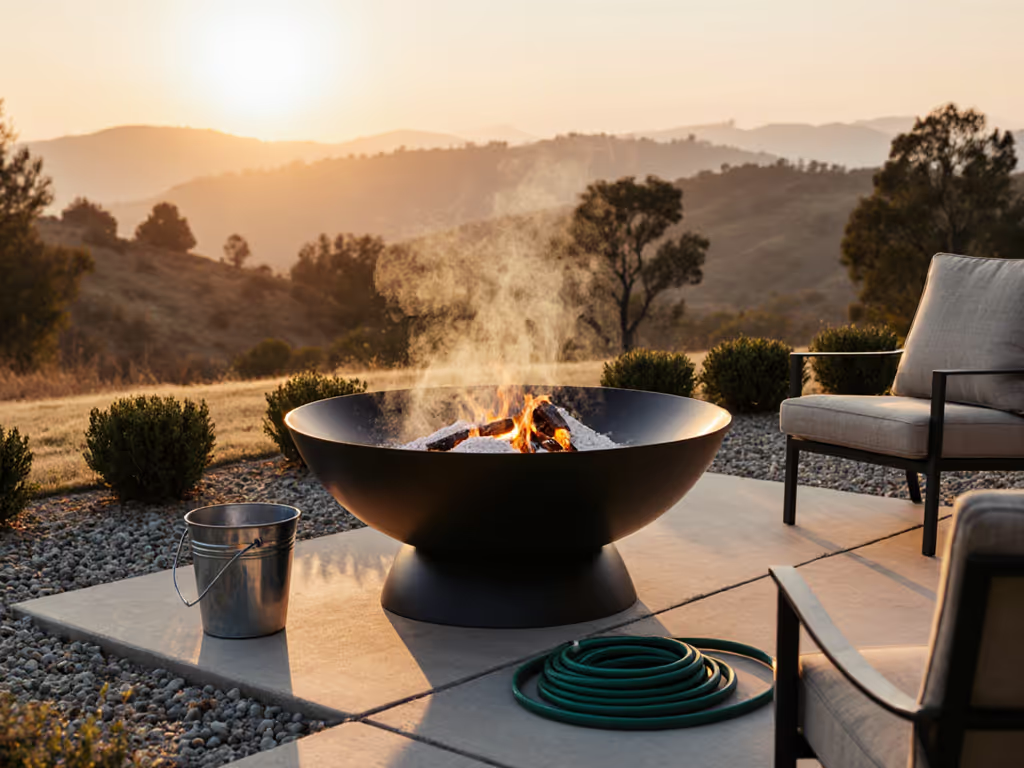
Wind is your greatest variable. Position seating in a semi-circle upwind of the fire pit, so smoke drifts away from where guests gather.[2] On days with calm air, set up your pit in the center of your space, not at the property edge. When wind picks up to 8 to 12 mph, even a low-smoke pit will drift, but placement can halve its impact on your neighbor's patio furniture. If breezes are common at your site, consider our best fire pits for windy areas for tested setups that keep flames stable and smoke down.
Log wind direction for a week using a basic anemometer (many smart weather stations now include them). You'll discover your site's prevailing direction and dead-calm slots where smoke pools. Use those data points to stagger gatherings and refuel only during moderate breeze. This methodical approach prevents the "surprise smoke column" that ruins a neighbor's evening and seeds complaints.
3. Choose a Fuel Type Based on Measurable Emission Profiles
Marketing calls many wood pits "smokeless." My sensors usually call that false. Secondary-burn designs do reduce visible smoke if you use seasoned hardwood, feed slowly, and maintain optimal air gaps, but damp wood, overloading, or crosswinds still produce spikes in PM2.5 and CO. Gas or electric fire pits, along with true smokeless secondary-burn designs, remain the safest allergy-friendly options.[5] For independent lab data and model picks, see our smokeless fire pits for sensitive users.
Propane inserts offer the fastest ramp to low-emission burn; pellet pits with thermostatic air control deliver repeatable, low-particulate heat with minimal ash. Before buying, request the manufacturer's PM2.5 and CO data, not marketing words. If they don't have lab-tested numbers, assume the design hasn't been vetted for respiratory safety.
4. Clean Your Pit and Inspect Burner Vents Before Spring Gatherings
Thoroughly clean and inspect your fire pit each season, paying special attention to burner holes and air vents.[1] Winter moisture, leaves, and dust block the primary and secondary air intakes that regulate burn quality. A soft brush and compressed air (or a can of computer duster) clears passages in minutes. Blocked vents force incomplete combustion, which breeds smoke and odor.
For gas pits, test your ignition system and replace batteries in electronic igniters. For wood pits, remove ash buildup from the base (ash insulates, slowing heat transfer and trapping moisture, which then smolders rather than burns cleanly). Weekly ash removal during the season keeps your pit in a high-efficiency zone.
5. Cover Your Fire Pit When Not in Use to Lock Out Allergens
An uncovered fire pit collects pollen, mold spores, and debris that mix with your next burn, ejecting concentrated allergen doses.[6] For a deeper seasonal plan tailored to allergies, use our pollen-season fire pit guide. A quality cover made from water-resistant material with good ventilation prevents moisture buildup while keeping contaminants out. Check your cover seasonally for tears or mold growth on the underside.
Also: wash your patio and any soot-stained furniture before gatherings. Pollen and spore residue on surfaces re-aerosolize when your pit's heat rises, concentrating allergens in the breathing zone.
6. Manage Smoke Recirculation and Odor Drift in Tight Spaces
Small courtyards and roof decks trap smoke. If your space is less than 200 square feet and wind is blocked by siding, fences, or tall trees, position the fire pit toward the open side, not at the center[2], and resist the urge to "seal in" the space with plants or screens (better to invite air circulation). If you must gather in a tight zone, consider heat-focused alternatives: electric tabletop heaters or a hardwired gas logset designed to sit inside a fireplace surround where drafts are engineered to vent smoke upward.
Odor lingers on clothing and cushions even after low-smoke burns. Wash outdoor furniture covers and ask guests to sit upwind and take a short walk after the pit cools to air out their clothes. This small ritual acknowledges respiratory sensitivity without making the evening awkward.
7. Establish a Year-Round Maintenance Schedule to Prevent Combustion Issues
Commit to a routine: weekly ash removal, monthly deep cleaning, and seasonal inspections for rust, corrosion, or loose components.[1] Map your routine with our seasonal fire pit care calendar to prevent the small issues that cause smoky burns. A log or calendar reminder keeps you honest. Degraded gaskets, cracked burner plates, and rust-roughened surfaces all degrade burn quality and emit more particulates and odor. Small problems detected early are cheap fixes; ignored, they compound into a smoky, inefficient fire pit that invites complaints.
If you notice a shift toward smokier, odor-heavier burns despite clean fuel and proper placement, don't assume it's normal seasonal variation. Log temperature (with an infrared thermometer), fuel moisture, and visible flame color. Often, a clogged secondary-air hole or a degraded baffle plate is the culprit, a 30-minute repair that pays for itself in one complaint-free evening.
Next Steps: Measure, Document, and Host with Confidence
The gap between "smokeless" marketing and real-world performance closes only when you measure and adjust. Start with placement and wind data; add weekly maintenance logs; note which fuel and feed rate produce the cleanest visual burn and the fewest neighbor frowns. Share your findings (not as a brag, but as evidence) with skeptical HOA reviewers or guests with asthma. Most people respect methodology and data far more than brand promises.
Your goal isn't a perfect fire pit; it's a repeatable, low-friction way to gather outdoors without apologies. A cozy evening with clear air, friendly conversation, and zero next-day complaints from three backyards over is entirely achievable when you control your variables first.
Related Articles