Therapeutic Fire Pit Protocols for Mental Health
By Priya Raman • 8th Apr
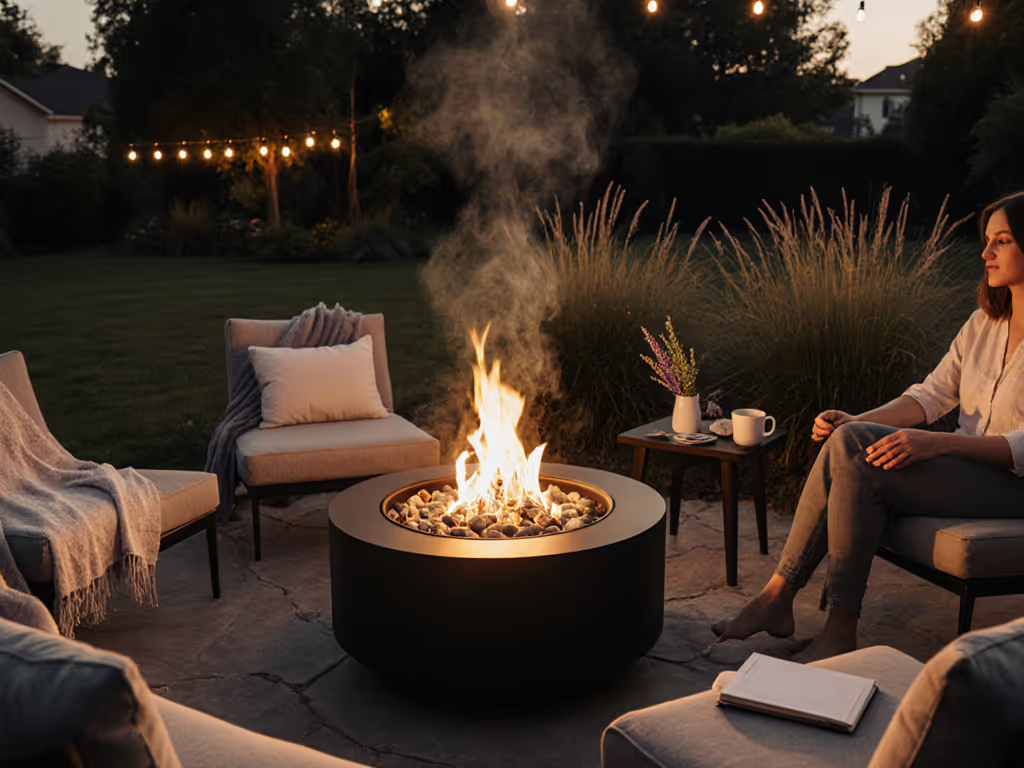
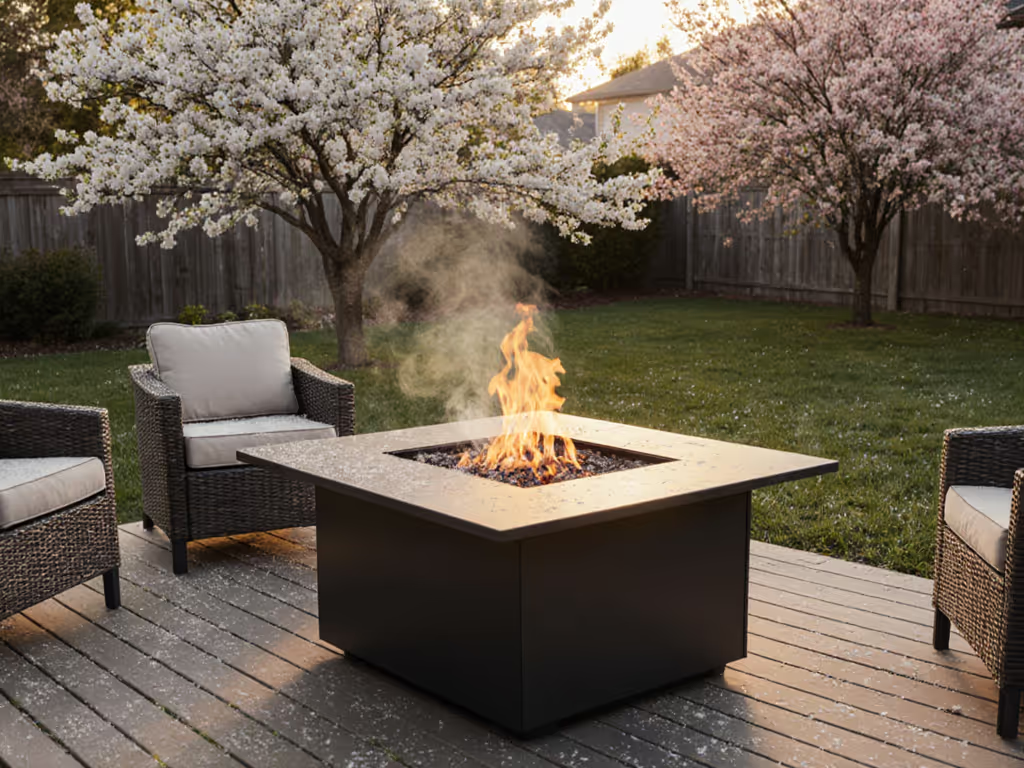
Therapeutic fire pit protocols and mental health fire pit therapy are rooted in ancient wisdom, now validated by modern science. When you gather around fire with intention (mapping placement, wind, distance, and mindful hosting) you create a space where mental ease and connection flourish naturally. This isn't about flashy flames or maximum heat; it's about calibrating comfort so the ritual itself becomes the medicine.
Why Fire Heals: The Science Behind the Glow
Before we outline protocols, understand what's happening when you sit by a fire. The flickering flames activate your parasympathetic nervous system (the part of your body responsible for calming and recovery).[2][4] Research confirms that watching fire reduces blood pressure, lowers cortisol (your stress hormone), and triggers the release of serotonin, your brain's feel-good messenger.[2][5]
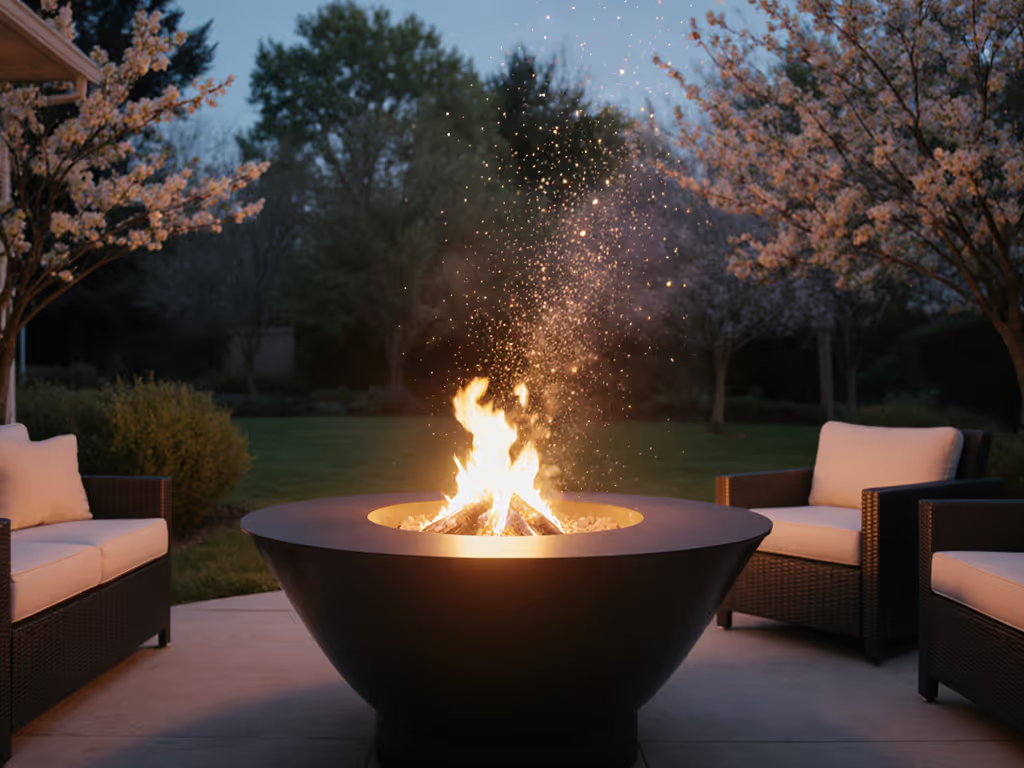
But the benefits extend beyond individual relaxation. Hearth and campfires create a multisensory, absorptive, and social experience that enhances relaxation and prosociality, meaning people become more open, generous, and connected in each other's presence.[6] The warmth, light, rhythmic movement, and even the crackling sound work together to shift you into a state of deep presence.[3][7]
The Protocols: 7 Steps to Mental Health-Centered Fire Pit Sessions
1. Assess Your Setting and Code Compliance First
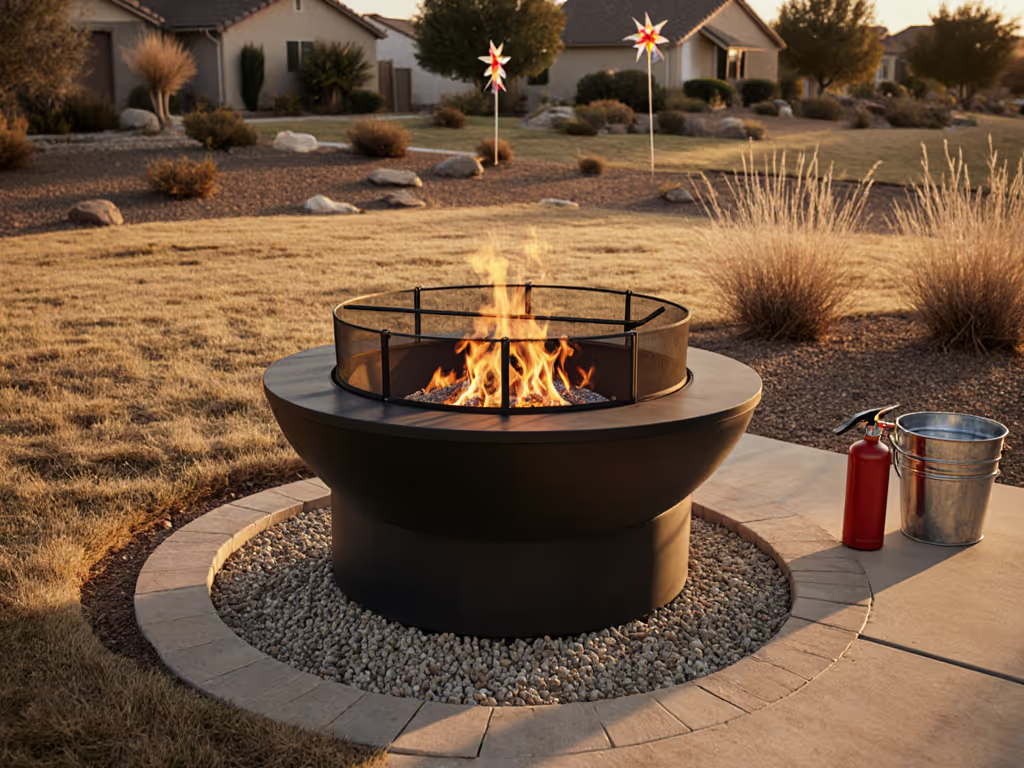
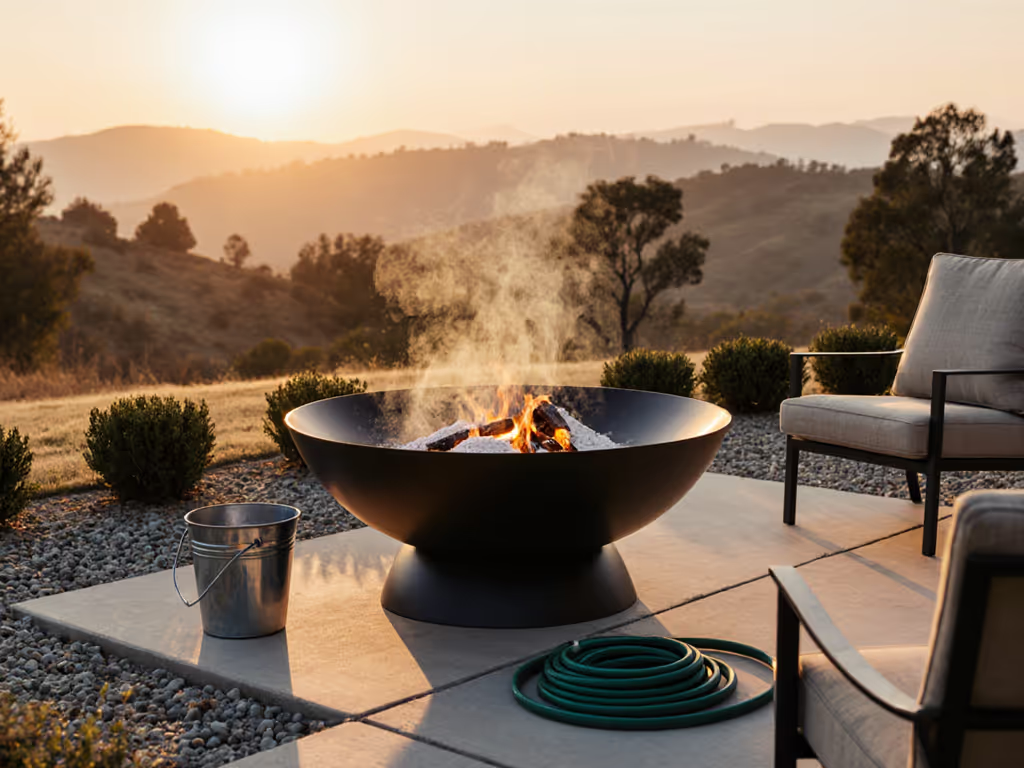
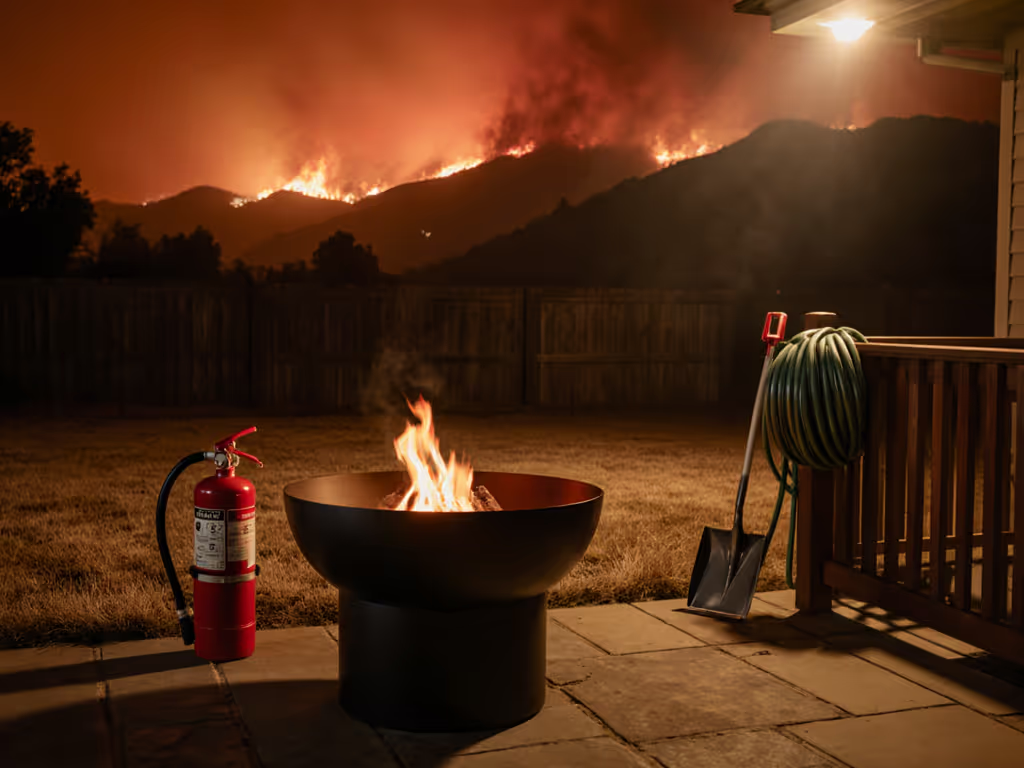
Before you light a flame, confirm what's allowed where you live. For specifics, see our fire pit regulations guide. Check your HOA rules, municipal burn ordinances, and spark codes for your specific space type (whether that's a composite deck, small patio, courtyard, or balcony). Many urban areas restrict wood fires on decks; propane or pellet options may be your path forward. Knowing you're in compliance before you invite guests is the first step toward genuine peace of mind.
2. Position for Wind, Microclimate, and Radiant Comfort
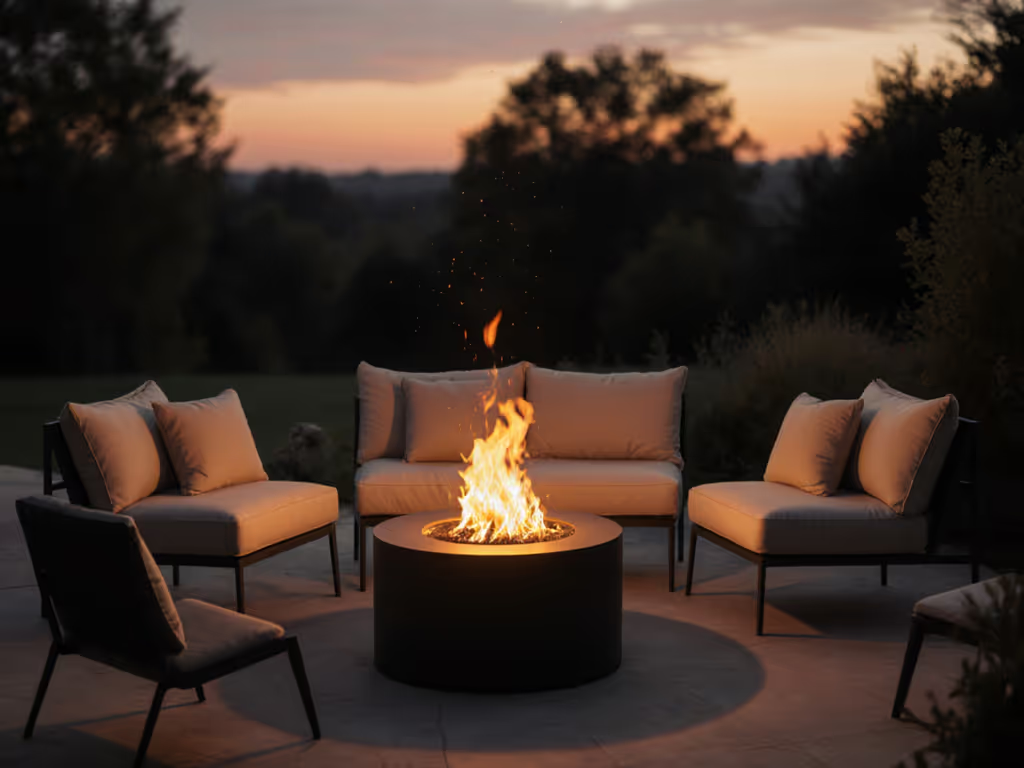
Small courtyards and enclosed patios create wind vortices that recirculate smoke and redirect heat unpredictably. If breezes are common, consider our wind-resistant fire pit picks for more stable flames with less smoke recirculation. Walk your space on a breezy evening and notice how wind moves. Position your fire pit to minimize crosswinds and ensure seated guests (ideally 8-12 feet away) receive consistent radiant warmth without smoke drift toward bedroom windows or neighbor properties. A round fire pit, positioned slightly downwind of your main seating zone, often performs better than linear tables. This small calibration (distance, height, and flame orientation) is where comfort is genuinely calibrated.[3]
3. Choose a Fuel and Burn Protocol That Aligns with Your Neighborhood
For mental health-focused gatherings in dense neighborhoods, fuel choice matters. For low-odor sessions with sensitive guests, see our verified smokeless fire pits. Smokeless wood pits and pellet fires produce significantly less PM2.5 (fine particulate matter) and lingering odor than traditional wood burns, especially with proper wood moisture and loading discipline. Propane tables offer the cleanest burn and quietest operation (critical if quiet surrounds your practice). Gas hardline installations eliminate tank swaps and provide consistent, odor-free performance. Match your fuel to your setting: urban balconies favor propane; suburban patios can accommodate pellets; rural properties have more flexibility.[4]
4. Establish a Pre-Gathering Mindfulness Anchor
Ten to fifteen minutes before guests arrive, sit alone by the fire (if it's lit) or in the space itself. Close your eyes and notice the ambient sounds, temperature, wind, and light. This personal grounding ritual primes you as the calm host. When you arrive at a gathering in a centered state, that calm transmits to others. Studies confirm that relaxed people are more amiable and create psychological safety for connection.[6] Make cozy feel effortless by arriving there first yourself.
5. Structure the Gathering for Staged Relaxation
Design your session in three phases. Opening (first 10-15 minutes): Invite guests to arrive, settle into seats, and simply watch the flames together without mandatory conversation. This activates the meditative, absorptive quality of fire and levels everyone's nervous system.[7] Middle phase (20-40 minutes): Gently prompt reflection or light storytelling, questions like...
Related Articles