
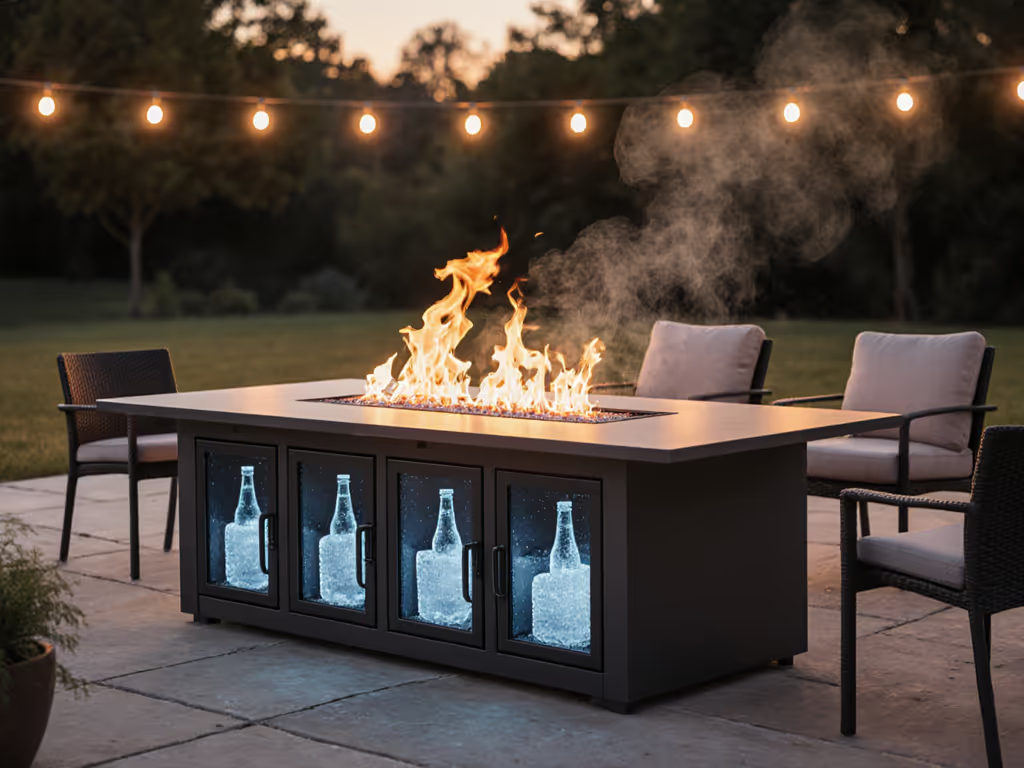
Rooftop Fire Pit Review: 7 Quiet, Code Smart Urban Picks
By Priya Raman • 21st May
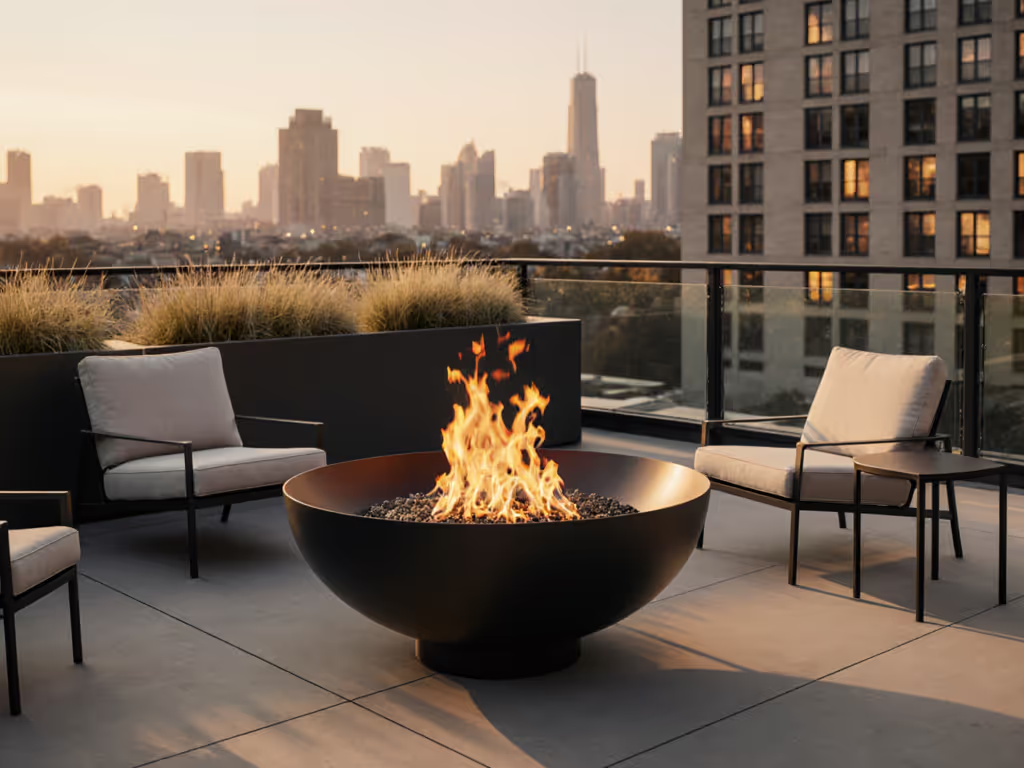
If you're here for a rooftop fire pit review that respects neighbors, codes, and actual comfort - not just big flames - you're in the right place. This guide focuses on urban rooftop fire pit solutions that stay quiet, low-smoke, and in line with what most HOAs and city ordinances will actually allow.
You'll find seven real-world setups tuned for roof decks, small patios, courtyards, and balconies, with a bias toward:
- High-rise fire pit safety
- Minimal smoke and smell
- Low burner noise
- Predictable warmth in the 40-55°F range
- Clean, repeatable hosting with no drama
Comfort is a system.
How to Read This Rooftop Fire Pit Review
Instead of a single "best fire pit," this is a shortlist of seven archetypes you can match to your space, building rules, and hosting style.
For each pick, you'll see:
- Best for: The kind of space and code climate it suits
- Why it's code-smart & neighbor-friendly: Smoke, smell, and safety notes
- Heat & comfort profile: How warm it actually feels and at what distance
- Noise & ambiance: Burner hiss, crackle level, and conversation impact
- Install & safety notes: Clearances, deck protection, and permit considerations
- Simple tuning tips: Small adjustments that make a big comfort difference
Behind the scenes, I prioritize:
- Fuel: Propane, natural gas, electric, or ethanol first (solid fuel only where clearly allowed)
- Urban building code fire pits reality: Many high-rise and multi-unit buildings prohibit wood or open flame entirely, or restrict them heavily on balconies and roof decks.
- Human factors: Where your knees, shoulders, and eyes sit relative to the flame. I once tracked those at a small outdoor movie night and watched how wind, flame height, and pit elevation changed whether people leaned in, zipped jackets, or quietly left early.
Comfort is calibrated: distance, height, flame, and mindful hosting.
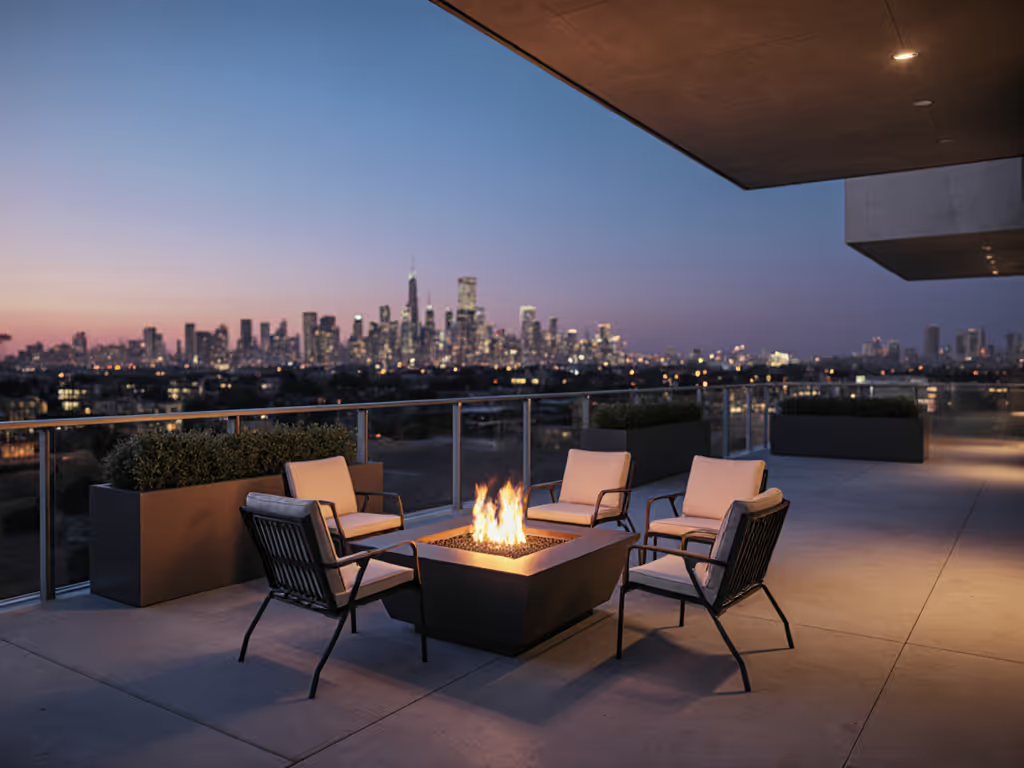
Ground Rules: Codes, Safety, and Wind (Read This Before Buying)
Before we get to the seven picks, a quick, practical framework, especially for high-rise fire pit safety. If you're unsure about local rules or HOA language, start with our fire pit regulations guide to avoid costly mistakes.
1. Check the "Three C's": Code, Conditions, Clearance
Code
- Building & fire code: Many cities ban solid-fuel fires (wood, pellets, charcoal) on balconies and roof decks. Gas or electric is often the only path.
- HOA / lease: Look for language about "open flames," "gas appliances," and "combustible surfaces." Screenshots and written approvals are your friend.
- Burn bans & AQI alerts: Even gas systems may be restricted on poor air-quality days in some regions.
Conditions
- Wind: Roof decks and high balconies often see 2-3x higher wind than street level. That changes:
- Flame stability
- Smoke direction
- Effective warmth (wind strips convective heat fast)
- Microclimate: Courtyards can trap smoke and heat. What feels cozy in still air can become choking if air can't clear.
Clearance
- Check the manual, but a common pattern:
- 36-72" clearance above the burner to any overhead structure
- 24-36" on all sides to rails, plants, soft furnishings
- Use noncombustible surfaces or rated mats for elevated fire pit installation on composite or wood decks.
2. Choose the Right Fuel for Your Setting
- High-rise balcony / strict HOA: Often electric or ethanol only. Sometimes small propane with strict rules.
- Roof deck on low-rise townhome: Frequently allows propane gas fire tables; sometimes natural gas lines.
- Ground-level patio / small backyard: You'll usually have the option for wood "smokeless" pits if local rules permit.
When in doubt, a quick email to your building manager or HOA with the spec sheet attached earns a lot of trust. If you're choosing between clean-burning options, compare pros and cons in our gas vs ethanol fire pits guide.
3. Wind is the Invisible Guest
For rooftop fire pit wind resistance, prioritize:
- Broad, shallow flames (fire tables) over tall columnar flames
- Wind guards where allowed (tempered glass or steel) to stabilize the flame and reduce hiss
- Lower flame settings: often warmer in practice, because heat isn't torn away instantly
With that frame, let's walk through seven quiet, code-smart options. If wind is a constant on your roof, see our best fire pits for windy areas for models that stay stable in gusts.
1. Low-Profile Propane Fire Table - The Rooftop Workhorse
Best for: Roof decks and larger balconies where propane is allowed but wood is not. Ideal for 4-6 people and modern furniture layouts.
Think: a rectangular or square propane fire table, 32-48" across, with a hidden tank and low, sofa-height profile.
Why it's Code-Smart & Neighbor-Friendly
- Propane is often explicitly allowed where wood is banned.
- No sparks or embers, and with a good regulator and jets, you'll see very low smoke and odor compared with wood.
- Tank is enclosed, which building managers like from a neatness and impact perspective.
Heat & Comfort Profile
- Typical output: 40,000-65,000 BTU.
- In 45-55°F with light wind, you'll feel meaningful warmth within ~24-30" from the flame's edge.
- The table format gives a better knee and hand comfort zone than tall bowls.
Tuning tip: Seat guests so their knees are level with or slightly below flame height. That keeps hands warm without overheating faces.
Noise & Ambiance
- On lower settings, burner hiss can sit in the 40-50 dB range (a quiet conversation) and mostly disappears under background city noise.
- Lava rock or fire glass quiets "popping" and spreads flame nicely.
Install & Safety Notes
- Use a rated deck protector under the table on wood/composite; see our fire pit mat review for verified deck heat protection.
- Maintain manufacturer clearances to rails and walls; corner placements often need extra caution.
- Store the propane tank upright, protected from direct, prolonged sun.
Ideal if you want: A modern look, hidden fuel, reliable ignition, and a flame bar that's warm but not dramatic.
2. Hardline Natural Gas Linear Burner - For Permanent Roof Lounges
Best for: Townhome roof decks or single-owner buildings where you can run a natural gas line and commit to a permanent installation.
These are the long, built-in linear burners you see in rooftop lounges - often set in stone, tile, or concrete benches.
Why it's Code-Smart & Neighbor-Friendly
- Hard-plumbed natural gas is usually preferred by inspectors over portable tanks.
- No refills means fewer trips through lobbies with tanks.
- Stable fuel pressure often translates to consistent, controllable flame and cleaner combustion.
Heat & Comfort Profile
- Typical output: 50,000-80,000 BTU, but it's spread out.
- Excellent for long benches: everyone gets a slice of warmth.
- With wind, you'll often run it on medium, not high, for best net warmth.
Tuning tip: Integrate seating 12-18" from the flame line with a low backrest. That warms cores and hands without cooking faces.
Noise & Ambiance
- Properly tuned, these are very quiet, often quieter than tanked propane.
- Flame is smooth and linear, less "campfire," more "hotel rooftop."
Install & Safety Notes
- Requires licensed installation and sometimes a permit.
- You'll need clear sign-off from building management.
- Ensure drainage in the burner tray so rain doesn't pool.
Ideal if you want: A long-term, low-hassle centerpiece and you're willing to do the upfront permitting.
3. Compact Propane Column or Bowl - For Small Balconies
Best for: Small city balconies and tight roof corners where you have room for two chairs and a modest flame, and propane is explicitly allowed.
These are the 12-20" diameter bowls or slim columns that hide a small tank or connect to a nearby one.
Why it's Code-Smart & Neighbor-Friendly
- Small footprint keeps it away from rails and walls while keeping clearances.
- Lower BTU reduces heat risk to nearby siding or glass.
- Many models include integrated thermocouples and flame shutoff if the flame blows out.
Heat & Comfort Profile
- Typical output: 25,000-40,000 BTU.
- Best for 2-3 people sitting within ~18-24".
- Great hand and knee warmer, but it won't change the entire balcony temperature.
Tuning tip: Slightly angle chairs toward the bowl, and keep one side open to let heat breathe instead of blowing straight up the wall.
Noise & Ambiance
- Small burners can hiss more sharply at high output.
- Run these on medium for a softer sound and more even flame.
Install & Safety Notes
- Confirm balcony weight limits - most units are light, but always check.
- Use a small, rated mat under the unit if on composite.
- Avoid placing directly under overhanging balconies above unless clearance is clearly adequate.
Ideal if you want: A simple, intimate setup for two, with minimal visual clutter.
4. Electric "Faux Flame" Heat Table - For No-Flame Buildings
Best for: Buildings where all open flames are banned - including gas - but plug-in heaters are allowed.
These are low tables or columns with electric heating elements and LED flame effects.
Why it's Code-Smart & Neighbor-Friendly
- In many strict jurisdictions, electric is the only compliant option.
- Zero actual combustion: no smoke, no PM2.5, and virtually no odor.
- Safe for covered balconies where gas or wood would be prohibited.
Heat & Comfort Profile
- Output is often described in watts instead of BTUs (e.g., 1,500-2,000 W ≈ 5,000-6,800 BTU).
- You'll feel warmth within ~18-24", but it's gentler than gas.
Tuning tip: Pair with throws and cushions. Think of it as a visual focal point plus a "boost" to cozy layers, rather than a primary heat source.
Noise & Ambiance
- Many units are essentially silent; some have a soft fan hum.
- LED flames have no crackle, or smell, which is ideal for allergy and asthma-sensitive guests.
Install & Safety Notes
- Needs a weather-rated outlet or appropriately protected extension.
- Keep cords routed safely, taped or clipped to avoid trip hazards.
Ideal if you want: The ritual of "gathering around something glowing" with zero combustion risk and clear code comfort.
5. "Smokeless" Wood or Pellet Fire Pit - For Townhome Roofs & Courtyards
Best for: Private townhome roof decks or ground-level patios where local code explicitly allows solid fuel and you have good ventilation.
These are the double-walled stainless or steel pits marketed as "smokeless." They use secondary combustion to burn off much of the smoke when run correctly.
Why (and When) It's Code-Smart & Neighbor-Friendly
- Only consider these if your building, HOA, and fire code all permit wood or pellets on your level.
- When properly fueled (dry wood, below rim, good airflow), they produce far less visible smoke than traditional fire rings.
But: any wood fire still produces combustion particles and odor. For dense apartment blocks, even "low smoke" may be too much.
Heat & Comfort Profile
- Output is high; think 75,000-100,000+ BTU equivalent.
- Excellent radiant heat: you'll feel it at 3-4 feet, even on cooler nights.
Tuning tip: Raise the pit to just below knee height and keep chairs 3-4 feet away. That warms lower legs and cores while dialing down face and eye irritation.
Noise & Ambiance
- Natural crackle and occasional pops; louder than gas.
- On calm nights, you may hear the soft roar of secondary burn ports.
Install & Safety Notes
- Use a substantial heat shield and ember mat on any deck.
- Keep clearances generous, more than the minimum if near fencing or walls.
- Have a metal lid or snuffer and an extinguisher within arm's reach.
Ideal if you want: A true wood-fire experience in a low-density setting with explicit permission and thoughtful neighbors.
6. Collapsible Portable Fire Pit with Heat Shield - For Shared Courtyards
Best for: Shared paved courtyards, small backyards, or ground-level patios where you want a fire that packs away completely between uses.
These are folding frame pits with mesh tops and separate heat shields that hover above the surface.
Why it's Code-Smart & Neighbor-Friendly
- Typically used at ground level, which many codes treat more leniently than balconies or roofs.
- Elevated above the surface with a heat shield reduces scorch risk on stone or concrete.
- Easy to stow, important if you share space or have theft concerns.
Heat & Comfort Profile
- Similar to a traditional campfire, with strong radiant heat toward the sides.
- Best for 3-5 people in a semicircle.
Tuning tip: Keep wood pieces no wider than the mesh and avoid overloading. A lower, more consistent flame often feels warmer and less smoky than a tall blaze.
Noise & Ambiance
- Classic crackle, which some neighbors love and others may hear through open windows.
- Use seasoned hardwood for quieter, more predictable burn and less popping.
Install & Safety Notes
- Still requires code permission for solid fuel.
- Always pair with wind awareness; if gusts pick up and push embers, shut it down.
Ideal if you want: A truly portable option for occasional gatherings in shared ground-level spaces.
7. Ethanol Tabletop Burner - For Ultra-Strict and Tiny Spaces
Best for: Small balconies and terraces in buildings with very strict rules, where even propane is banned but decorative ethanol burners are permitted.
These are small, ventless burners that use liquid or gel ethanol, often surrounded by glass.
Why it's Code-Smart & Neighbor-Friendly
- In some jurisdictions, small ethanol units are treated more like decorative candles than appliances.
- They burn relatively cleanly, with low odor if high-purity fuel is used.
- Very compact - you can bring them indoors when not in use.
Heat & Comfort Profile
- Output is modest - think a cluster of large candles rather than a heater.
- Good for visual coziness; warmth is felt within ~12-18".
Tuning tip: Treat it as mood lighting, and add blankets or a small electric throw if you want warmth. The flame signals "gather," even if the heat is subtle.
Noise & Ambiance
- Essentially silent.
- Gentle, steady flame that flatters faces in close conversation.
Install & Safety Notes
- Use on a stable, noncombustible surface.
- Follow refueling instructions carefully; never top up while hot.
Ideal if you want: The smallest, quietest, most portable flame that still feels like an occasion.
How to Choose: A Simple Decision Ladder
Here's a quick, practical way to narrow your urban rooftop fire pit solutions to one or two strong contenders.
Step 1: Verify What's Actually Allowed
- Ask your building manager / HOA:
- "Are propane fire tables allowed on roof decks / balconies?"
- "Are wood or pellet fires allowed at my level?"
- "Are electric or ethanol units acceptable on balconies?"
- Note any specifics on:
- Distance from rails and walls
- Restrictions under pergolas/eaves
- Prohibitions during burn bans or high wind warnings
Step 2: Match Fuel to Setting
- Only electric/ethanol allowed: Go with #4 Electric or #7 Ethanol.
- Propane allowed; wood banned: Choose #1 Fire Table or #3 Column/Bowl.
- Gas line possible: Consider #2 Hardline Natural Gas.
- Solid fuel allowed and well-ventilated ground level: Consider #5 Smokeless Wood or #6 Collapsible Pit.
Step 3: Size for Real Seating, Not Just Specs
- Measure your actual seating radius from where chairs can comfortably sit.
- Aim for 18-36" between flame edge and where knees will land.
- Remember that wind will shrink the effective comfort radius. To right-size your setup before buying, use our square fire pit size calculator.
Step 4: Plan Accessories That Actually Matter
Consider only what moves the needle on safety and comfort:
- Heat/ember mat or shield for any elevated install
- Wind guard for propane/natural gas on exposed roofs
- Well-fitting cover to reduce rust and grime in urban air
- Simple storage for fuel (tank boxes, dry wood bins)
Skip the rest at first. You can always iterate.
Actionable Next Step: Run a "Test Night" Before You Commit Fully
To make this more than a purchase and turn it into a reliable hosting ritual, try this sequence:
- Shortlist 2 options from the seven above that your code situation allows.
- Mock the footprint with tape or cardboard boxes on your balcony or roof:
- Place chairs at likely distances.
- Walk around and notice clearances and sightlines.
- Once you buy, plan a low-key test night with 1-2 close friends:
- Use a light breeze evening if possible.
- Start at a medium flame setting.
- Make one change at a time: flame height, seat distance, wind guard on/off.
- Pay attention to body language:
- Are people leaning in or leaning back?
- Do jackets stay on, come off, or get zipped higher?
- Are eyes watering, or are conversations easy and unforced?
Take a couple of notes on what worked. That's how you turn "a new fire pit" into a repeatable, neighbor-friendly ritual instead of a one-off experiment.
Comfort is a system. When you tune flame, distance, height, and wind - not just buy more BTUs - your rooftop, balcony, or courtyard stops being a stress point and becomes the quiet, welcoming place you always meant it to be.
Related Articles
Buying Guides & Top Picks
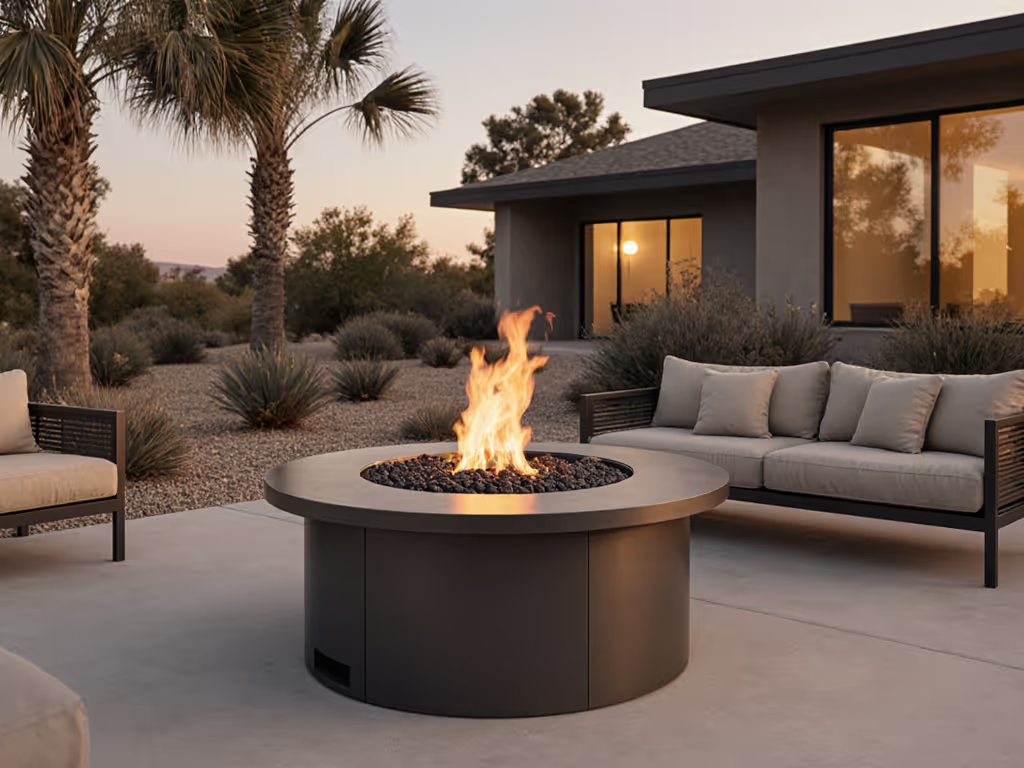
Round Fire Pits for Mild Climates: Low-Maintenance Winners
15th Mar•13 min read
Buying Guides & Top Picks
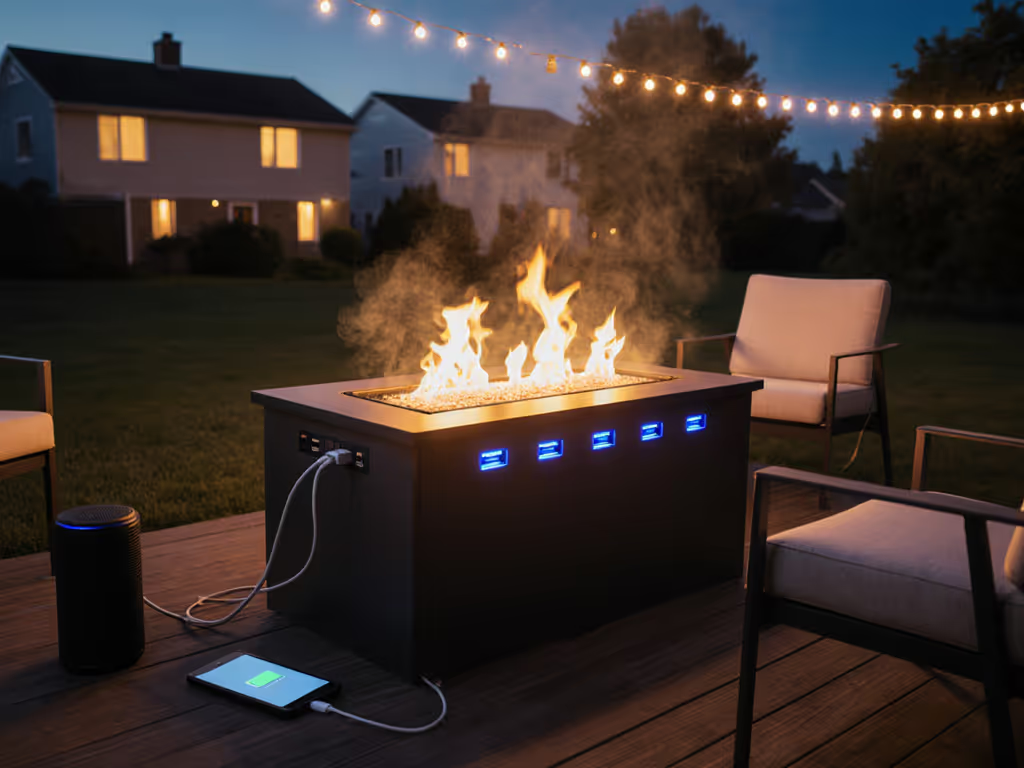
Fire Pits With USB Charging: Safety, Performance & Best Models
23rd Feb•15 min read