Choosing a setup for a multi-generational fire pit comparison is less about picking the "hottest" model and more about tuning warmth, safety, and calm conversation across ages. Comfort is calibrated: distance, height, flame, and mindful hosting.
This guide walks you through the main fire pit types and design choices (especially if you're considering a wood burning firepit) and compares how they perform for kids, grandparents, neighbors, and everyone in between.
Small moves, big mood. The right tweaks turn a nervous, smoky night into an easy, repeatable ritual.
1. Start with People, Not Fuel: Who Are You Warming?
Before looking at models, anchor your choice in who will sit around the flame and where it will live. Ask yourself:
- Ages & abilities
- Toddlers or curious grade-school kids? Prioritize tall barriers, spark control, and cool surfaces.
- Grandparents or anyone with mobility challenges? Look for higher seating, stable surfaces, and clear pathways.
- Sensitivities & health
- Any asthma, allergies, or smoke sensitivity? Lean toward gas or very controlled, low-smoke wood pits, and keep a backup "no-flame" plan for bad air days.
- Space & neighbors
- Balcony, townhome courtyard, or close-set yards? Check HOA and city rules first and favor quiet, low-smoke setups with strong family fire pit safety features.
- Primary purpose
- Deep-winter warmth, or mostly ambiance?
- S'mores-only, or light grilling too?
When you map the people and constraints, the "best" pit type becomes much clearer. Before shortlisting models, confirm clearances with our 10-foot placement guide.
2. Wood "Smokeless" vs Classic Wood Bowls: Which Fits Multi-Gen Use?
Many families start their intergenerational fire pit design question here: a modern, "smokeless" cylinder or the classic bowl-style wood pit?
Classic wood burning firepit
Pros
- Familiar campfire vibe with visible logs and gentle crackle.
- Simple, often lower-cost metal bowls or chimineas.
- Works well for roasting and casual cooking.
Cons
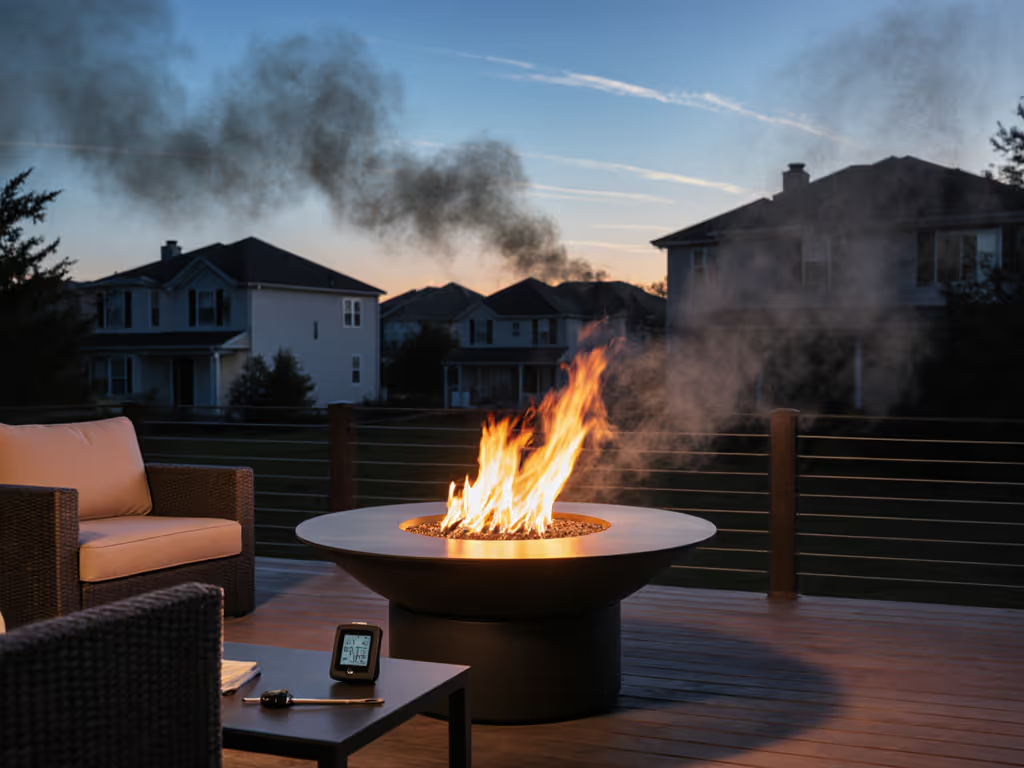
- Higher smoke and embers, especially with damp wood or wind shifts.
- More ash cleanup and more frequent rust issues on inexpensive steel.
- Less predictable family fire pit heat zones: hot right next to it, cool just a bit farther away.
Best for:
Occasional use in larger yards where smoke and sparks are less of a neighbor or toddler concern.
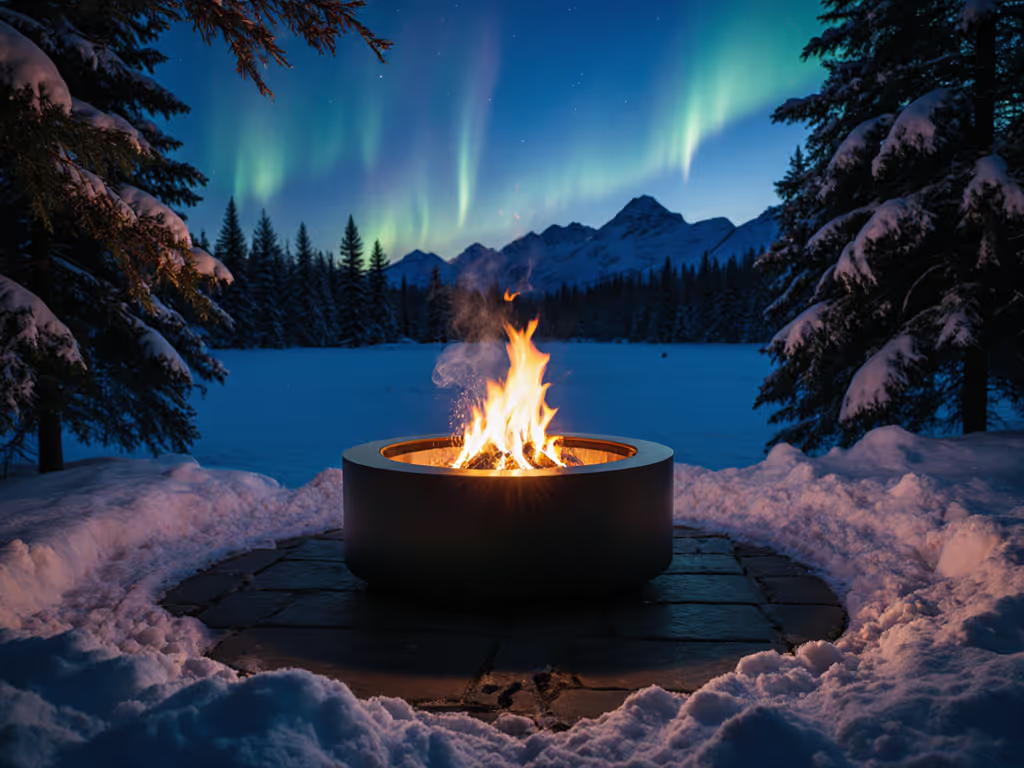
"Smokeless" wood fire pits (secondary burn)
These insulated cylinders pull air through lower vents and reburn smoke at the top rim, sharply reducing visible smoke when used correctly. For model-by-model results, see our smokeless fire pit comparison for sensitive users.
Pros
- Noticeably less smoke and odor transfer-to-clothing when using dry wood and not overloading the fire.
- More efficient burn = less ash and fewer unburned chunks.
- Some models accept grills or griddles for simple cooking.
Cons
- Still produce smoke if you use damp wood, overload, or deal with erratic wind; "smokeless" is conditional.
- Rim and shell can get extremely hot; not ideal for toddlers who like to lean or climb.
- Strong vertical heat plume: knees and shins roast, shoulders can feel cooler in cold air.
Best for:
Families wanting that wood burning firepit feel with lower smoke, and who can supervise closely and maintain good fuel discipline.
For multi-generational nights, treat smokeless pits like instruments: tuned by wood moisture, load height, and wind.
3. Gas Fire Tables vs Low Bowls: Control vs Reachable Flames
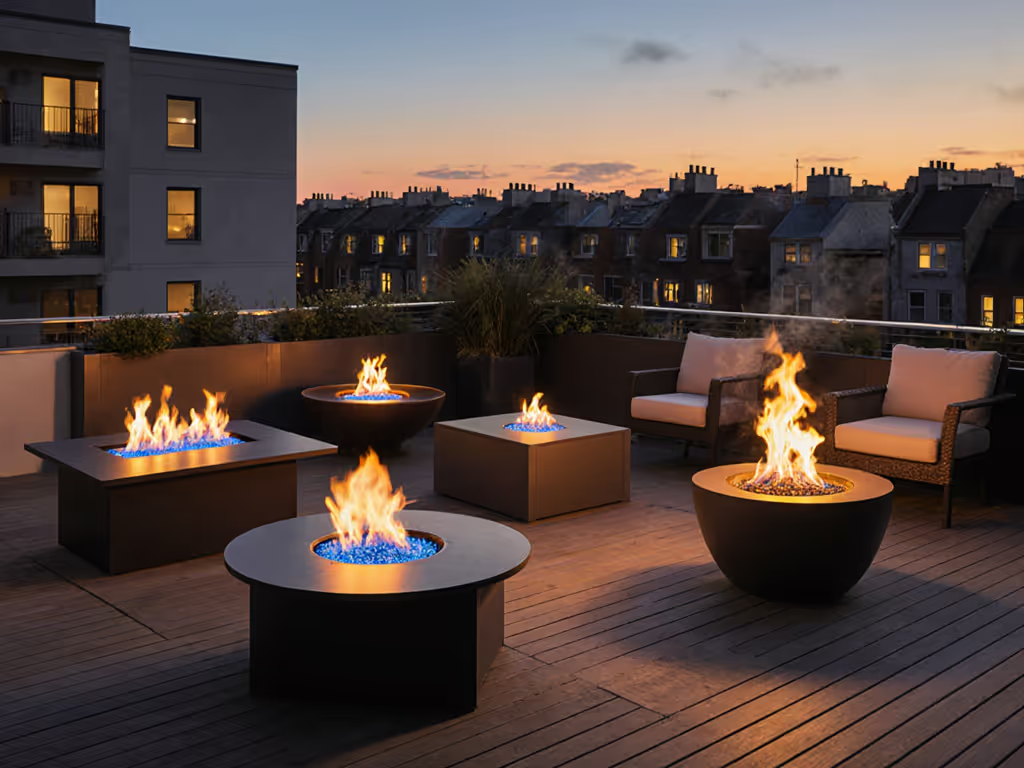
For many urban/suburban homes, gas fire pits are the easiest route to family fire pit safety features and neighbor peace.
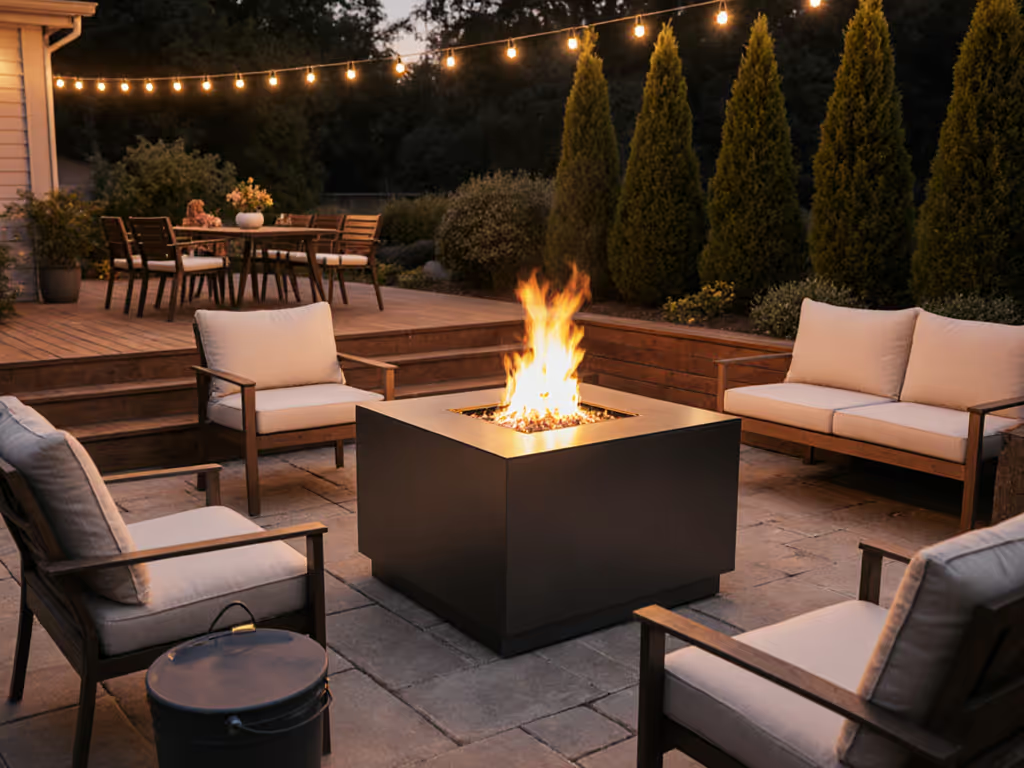
Propane or natural gas fire tables
Pros
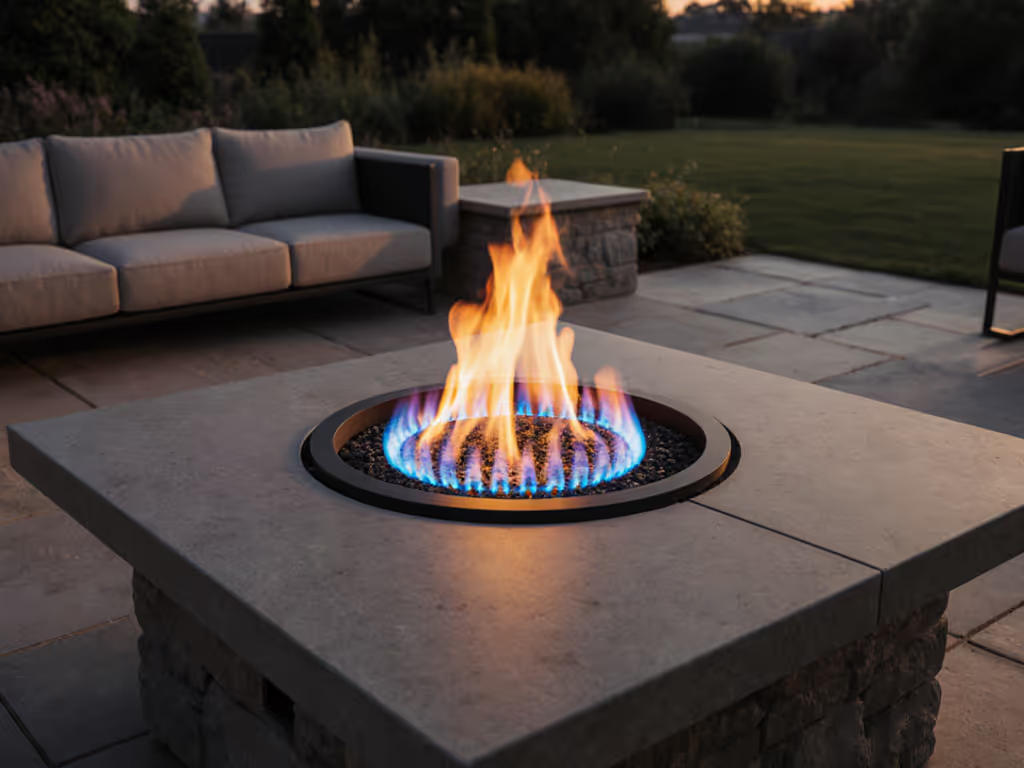
- Instant on/off, no ash, no sparks, and virtually no odor.
- Steady, adjustable heat; easy to dial down for kids or up for chilly grandparents.
- Tabletops keep flames higher and less reachable by toddlers; some models hide the propane tank inside for a clean look.
Cons
- Radiant heat can be modest; often more ambiance than deep warmth in cold conditions.
- Burner hiss can add background noise; choose quality burners for low sound.
- Clearance rules: must respect distances from siding, railings, and overhead structures.
Best for:
Decks, balconies (where allowed), and tight courtyards that need low-smoke, quiet operation and quick shutdown.
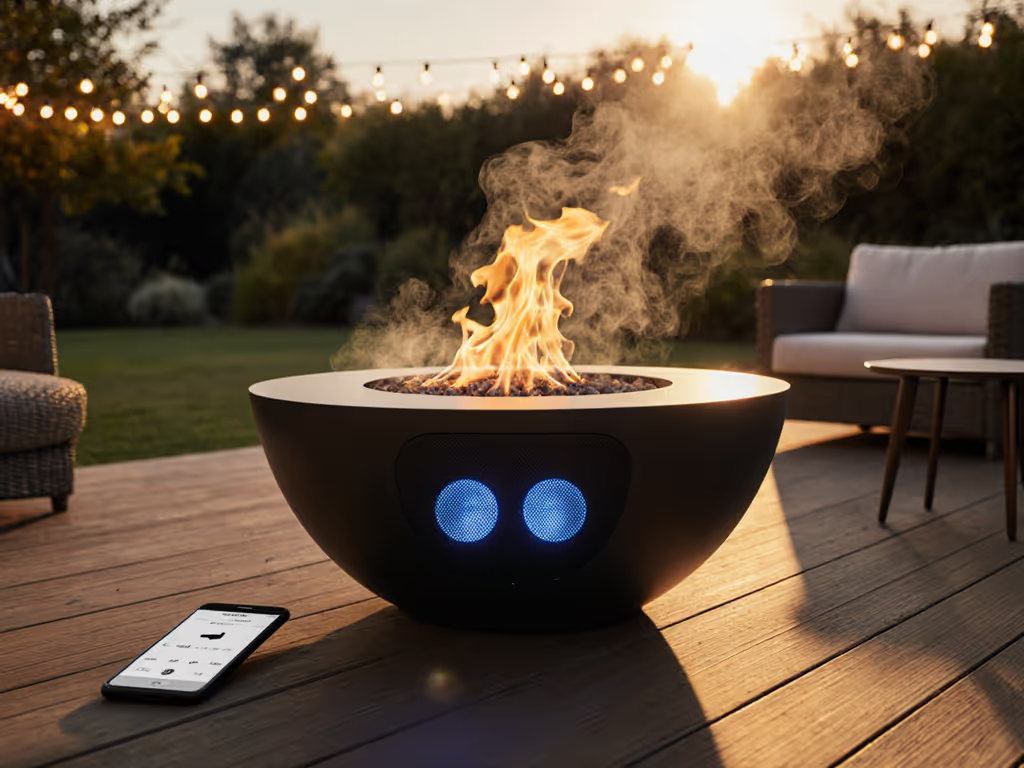
Low gas bowls
Pros
- Modern, sculptural look that blends with minimalist furniture.
- Flames are visible and engaging at eye level when sitting.
- Often compatible with glass wind guards for added safety and stability.
Cons
- Lower flame height makes them more reachable for small children.
- Similar heat behavior to tables: better for shoulder-season evenings than freezing nights.
Best for:
Households without toddlers, or with strict "no unsupervised kids by the pit" rules, who want a sleek centerpiece for conversation.
4. Heat Zones: Getting Warmth Where Each Age Group Needs It
A big frustration: the pit looks gorgeous, but cousins are cold while grandparents are roasting. Think in zones rather than "BTUs on the box."
Key heat principles for families
- Radiant vs convective heat
- Radiant heat warms surfaces (your legs, your chair, your mug).
- Convective heat warms the air. Wood pits typically deliver strong radiant heat close-in; gas tables give a gentler mix.
- Seating radius and ring
- For many pits, the effective warm ring on a 45-55°F evening is about 2-4 feet from the rim for adults, closer for kids.
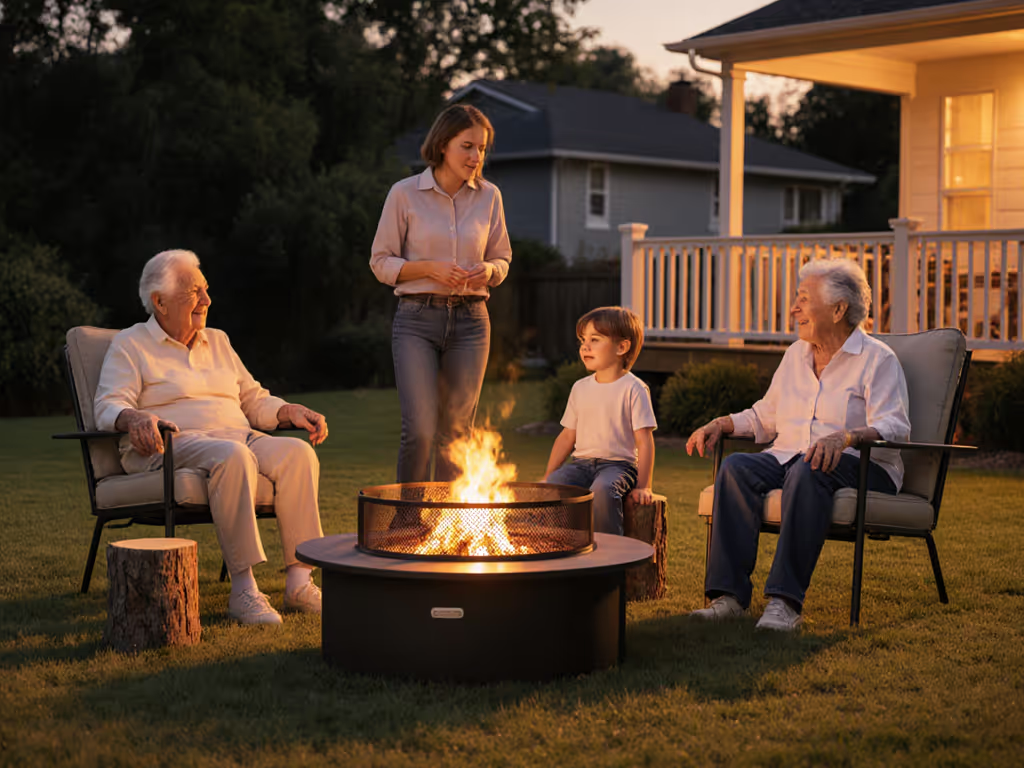
- Add a fire pit with seating built-in or a movable ring of chairs at varied distances: kids slightly behind the adults, chillier grandparents a bit closer.
- Height matters
- Very low pits roast ankles and shins but leave upper bodies cool.
- Taller tables and raised bowls better balance heat between knees and torso.
- Wind and microclimate
- Courtyard walls, fences, and wind tunnels can bend flames away from one side; consider a windward side "back row" for more heat and a leeward side for kids who run hot.
Comfort is calibrated: distance, height, flame, and mindful hosting.
Small shifts (like rotating chairs 30 degrees out of the wind or swapping a low camp chair for a dining chair) can calm a whole circle.
5. Safety Features That Quiet Parent and Grandparent Brains
For an intergenerational fire pit design, visible safety is part of the ambiance.
Non-negotiables for kids, pets, and elders
- Stable base and surface protection
- On wood/composite decks, use a heat-rated barrier or ember mat sized to the pit's footprint and the likely ember fall zone.
- Spark and ember control (wood)
- Use spark screens on open bowls and keep logs below rim height.
- Skip pine and highly resinous woods that pop aggressively.
- Guarded edges (gas)
- Glass or metal wind guards create a visible boundary and reduce direct reach to flame.
- Choose tables with rounded corners for easier navigation with mobility aids.
- Off switches and shutoff habits
- For gas, build a ritual: one person owns the ignition switch all night and does a visual check before going inside.
- For wood, have a clear quenching plan: let logs burn down, spread coals, and douse fully, stirring until no hissing.
- Clear paths and lighting
- Path lighting at ankle height and one "no-chair" zone for easy exits lowers trip risk for all ages.
The goal is not to eliminate all risk (impossible), but to make your safety choices so visible that everyone relaxes.
6. Smoke, Smell, and Sensitive Lungs: Wood vs Gas
Multi-generational often means mixed lungs: a grandparent with COPD, a toddler with reactive airways, a neighbor who keeps windows cracked at night.
Wood pits (classic and smokeless)
- Pros: Deeply satisfying flame quality, stronger radiant heat, and the campfire story vibe.
- Cons: Even efficient "smokeless" designs still output particulates and smell, especially at startup, when stoking, and with imperfect wood.
For sensitive guests, you can:
- Keep wood loads smaller and favor hardwoods that burn longer and cleaner.
- Start fires early, let them settle, and avoid big reloading late at night.
- Make it clear that moving a few chairs further back is normal, not a big deal.
Gas pits
- Pros: Minimal particulates and almost no lingering odor on hair or fabrics.
- Cons: Still not suitable for enclosed or semi-enclosed spaces without proper ventilation; combustion still consumes oxygen.
For nights with poor air quality or strict burn bans, a gas pit (if allowed) or no-flame alternative (string lights, heated throws) is your neighbor-friendly choice.
7. Layout: Designing a Fire Pit with Seating That Includes Everyone
A multi-generational layout is as important as the pit you buy. Imagine you're mapping sound, heat, and safety all at once.
Simple, inclusive layout pattern
- Inner ring
- Sturdy armchairs or benches at a safe but warm distance.
- Reserve these for elders or anyone who benefits from more leg support.
- Outer ring
- Lower chairs, poufs, or blankets for kids and those who run warm.
- Easy escape routes to the snack table or indoors.
- Utility zones
- One side for fuel, tools, and marshmallow action.
- Opposite side kept deliberately clear as a walkway.
- Conversation first
- Aim for a shallow horseshoe or circle small enough that voices carry at conversational volume; no one should have to talk over crackle or burner hiss.
In my own hosting experiments, once we adjusted chair distance, lifted the flame source slightly, and blocked the prevailing breeze, conversation got easier, layers came off, and even the dog stopped pacing. Everyone lingered.
8. Comparison by Scenario: Matching Pit Type to Family Setup
Here's a scenario-based multi-generational fire pit comparison to translate all this into real decisions.
| Scenario | Best Primary Fuel | Recommended Style | Why It Fits Families |
|---|
| Small balcony (where allowed) | Gas | Modest fire table with wind guard | Fast shutoff, low smoke, visible edge, compact footprint |
| Townhome courtyard with close neighbors | Gas or "smokeless" wood | Gas table for daily use; small smokeless cylinder for occasional wood nights | Balances neighbor comfort with occasional campfire feel |
| Larger suburban yard, kids + elders | Smokeless wood or classic wood bowl + screens | Mid-height pit with strong spark control | Strong radiant heat, visible safety, clear seating zones |
| Under pergola or near walls | Gas only (check clearances) | Low-noise burner with deflector | Controlled flame, easier to keep within code |
| Asthma-sensitive household | Gas or no-flame | Gas table plus heated throws | Warmth with minimal particulates and odor |
Use this as a short-list template and overlay your specific codes, HOA rules, and prevailing winds. Double-check local rules with our fire pit regulations guide before buying.
9. Accessories That Actually Matter (and Ones You Can Skip)
With so many add-ons, it's easy to overbuy. Focus on pieces that meaningfully shift safety or comfort.
High-impact accessories
- Heat/ember mat or pad under wood pits on decks.
- Spark screen for classic bowls in kid-heavy spaces.
- Glass wind guard for gas tables in breezy courtyards.
- Well-fitted cover to prevent rust, debris buildup, and critters in the off-season.
Nice-to-have
- Log tongs and poker that keep hands farther from flame.
- Simple grill plate or skewers for s'mores and light snacks.
Often overkill for families
- Highly complex multi-level cooking systems if you mainly want ambiance.
- Multiple overlapping heat deflectors in small spaces; start simple and adjust.
Remember: every accessory you add is one more thing to store. Choose the few that truly change how safe and calm the evening feels.
10. Your Actionable Next Step: Build a One-Page Fire Night Plan
To move from research to hosting confidence, create a simple, reusable checklist. One page is enough.
Step 1: Choose your primary pit type
Circle one based on your setting and family:
- Gas fire table
- Gas bowl
- Smokeless wood pit
- Classic wood burning firepit with spark screen
Step 2: Sketch your layout
On that same page, quickly sketch:
- Pit location with arrows for prevailing wind.
- Inner ring and outer ring of chairs.
- Clear path in and out.
- Fuel/tool zone.
Step 3: Set your "family rules"
Write 3-5 gentle directives everyone can remember, like:
- "Adults handle ignition and shutdown."
- "Kids stay behind the wind guard line."
- "No running between pit and seats."
- "We end the fire if smoke chases people or wind shifts sharply."
Step 4: Run one small, early-evening test
Host a short, 60-90 minute fire for 2-4 people before inviting a big crowd. Pay attention to:
- Who felt too hot or too cold, and where they sat.
- Where smoke drifted.
- Any moments of stress around kids, pets, or mobility.
Then adjust: move chairs, tweak flame height, add a mat or guard; small moves, big mood.
Once dialed in, you'll have a repeatable setup that works for kids, elders, and neighbors alike: warm enough, calm enough, and safe enough that everyone stays just a little longer, happy.