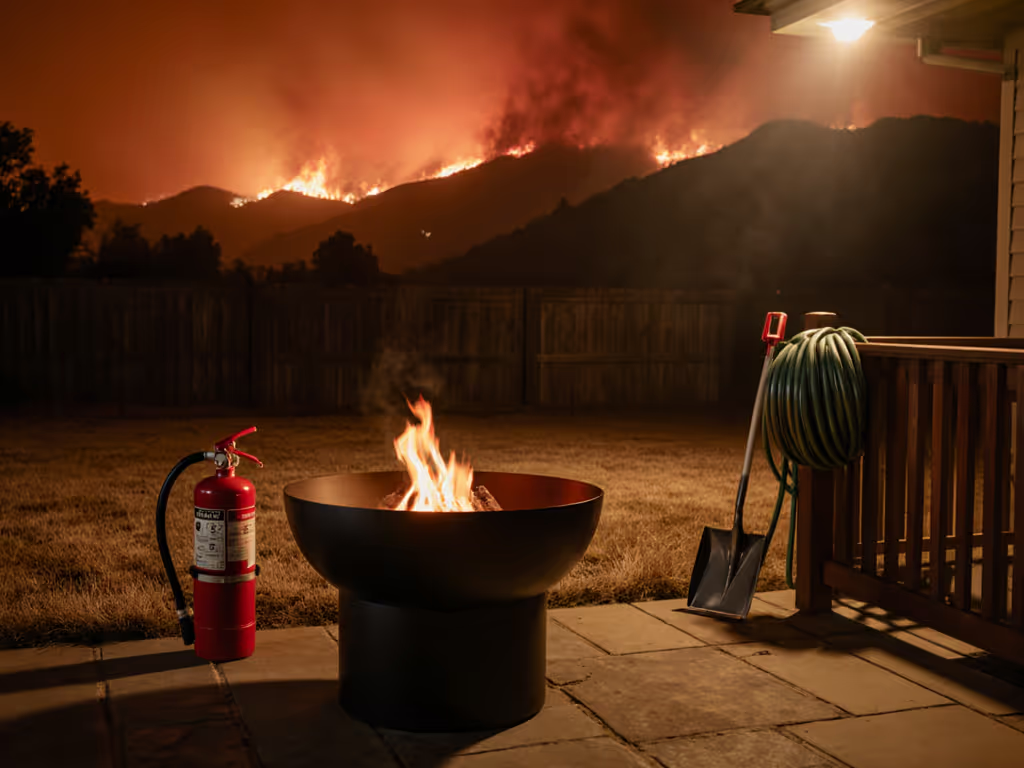
Fire Pit Drought Safety: Ember Control for Dry Climates
By Amina Diallo • 7th Mar
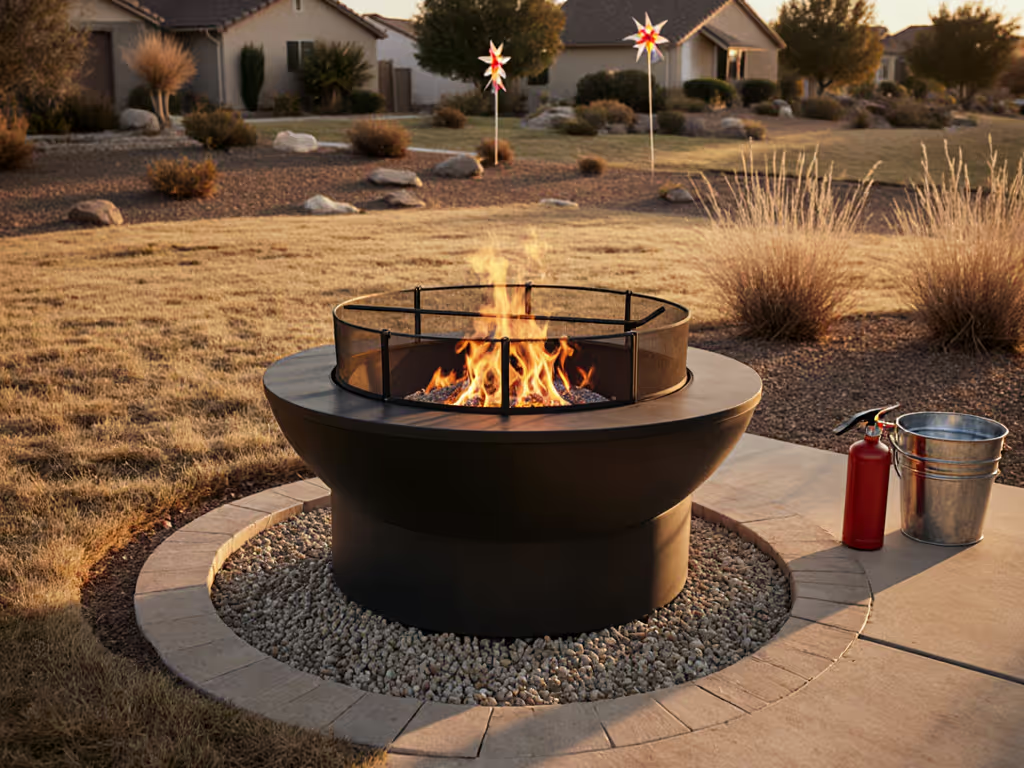
During dry seasons, fire pit drought safety and thoughtful fire pit ember control become essential conversations for anyone hosting outdoors. In regions where moisture drops and wildfire risk climbs, the difference between a well-managed fire and a careless one isn't just comfort, it's responsibility. Here's what the data reveals about containing sparks, protecting neighbors, and maintaining a warm, inviting fire without the aftermath of regret.
Why Ember Control Matters in Drought Conditions
What causes a fire pit to spark in the first place?
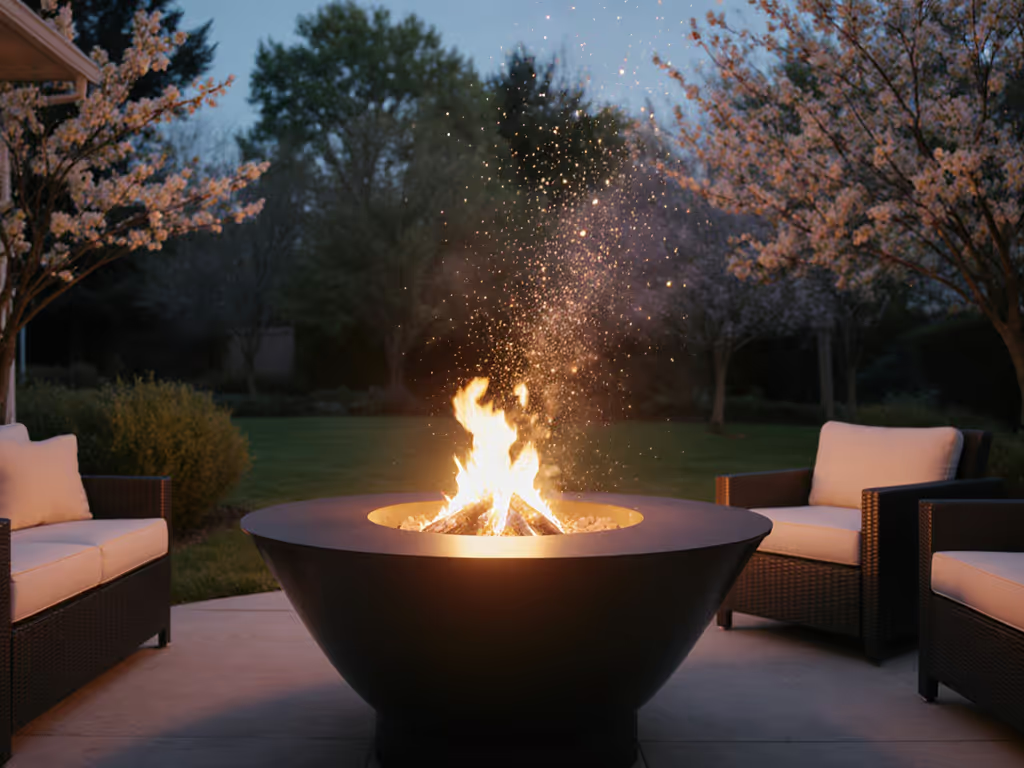
Flying sparks are inevitable whenever wood or any combustible material burns. As materials interact with heat and gases, kinetic energy propels fragments upward (a process that accelerates in dry air, where humidity offers no natural dampening).[3] In drought zones, this isn't a minor inconvenience; airborne embers travel farther and land on drier vegetation, creating genuine fire hazards for your property and your neighbors' spaces.
The physics is straightforward: wood-burning models generate far more sparks than gas alternatives. A recent industry report confirms that gas units reduce risks by 90% compared to traditional wood fires, making them preferable for urban settings or regions experiencing prolonged dry spells.[1] However, wood remains culturally rooted in backyard gatherings, and with the right mitigation sequences, it needn't be abandoned entirely. For step-by-step drought-ready practices, see our wood-burning ember control guide.
How Screen Protectors and Ember Catchers Actually Perform
Do spark screens really reduce ember escape?
Yes, with measurable impact. Research from accessory testing shows a 94% reduction in escaped embers when using properly fitted shields.[1] A separate safety analysis confirms that properly installed screens eliminate 85% of airborne risks.[1] The key word here is properly. Sloppy installation or misalignment renders even quality barriers nearly useless. Compare top-rated screens, guards, and lids in our fire pit accessories guide to choose a system that fits your model correctly.
The best performers combine two features:
- A fine-mesh screen (often copper or stainless steel) that traps fragments without choking airflow
- An angled or slightly inward-facing design that deflects rising sparks downward into containment zones[1]
When you use a fire pit grate with an ember catcher, you're adding a secondary capture layer that isolates your fire while allowing you to tend it safely.[3] Early testing with low-cost sensors has traced how even small design tweaks (tighter mesh, correct rim height, minimal gaps) produce dramatic drops in PM2.5 and visible spark count. The curve tells the story: cause flows directly into effect.
Positioning Your Fire Pit for Maximum Containment
What clearances and placement rules prevent neighbor complaints and fire hazards?
Location is half the battle. Fire pits should be positioned at least 10 feet away from your home, other structures, or anything combustible - including overhead tree branches.[2][8] Learn how to apply the 10-foot safety distance rule to different property types and layouts. In drought zones, extend this radius further if possible; dry grass and stressed vegetation ignite more readily.
For deck installations, the spacing requirements are stricter [1]:
| Deck Material | Minimum Horizontal Clearance | Vertical Buffer |
|---|---|---|
| Treated Pine | 24 inches | 12 inches |
| Composite | 30 inches | 18 inches |
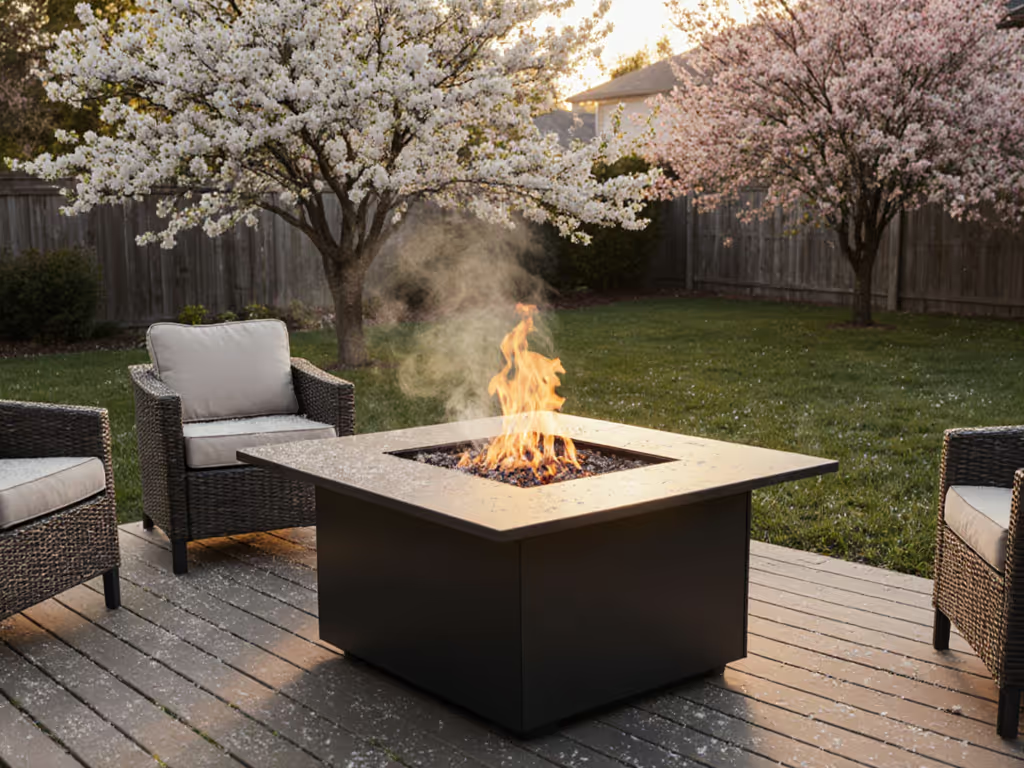
Maintain 18 inches of vertical clearance between the fire pit base and deck boards, using non-combustible stands to elevate units and create airflow channels. Data from 2024 shows that decks with proper spacing experience 73% fewer heat-related incidents.[1] Position your spark screen to fully cover the burning area. Angled designs work best for rectangular pits, directing sparks into containment zones.[1]
Clear a 15-foot radius around your unit entirely. Remove dry leaves, pine needles, and combustible decor. Use a gravel or stone buffer zone to isolate the burn area from surrounding vegetation.[1]
Fuel Selection and Ash Management in Dry Climates
Which fuels produce fewer sparks and less ash in drought conditions?
Not all wood burns equally. Hardwoods like oak produce fewer embers than softwoods, yet all open-flame options require vigilant containment.[1] The moisture content of your wood directly affects spark generation: properly dried fuel reduces smoke by 60% compared to green wood.[1]
Season wood for 6-12 months with a target moisture content of 20% or lower.[1] This single step (more than aesthetic tradition) is cause-and-effect mitigation. Wet wood struggles to combust cleanly, generating excess smoke, incomplete combustion, and higher particle emissions. Drier wood burns hotter, faster, and with fewer errant sparks.
Avoid burning treated lumber, painted wood, or yard waste entirely; these emit toxic compounds and ash that pose health and liability risks.[1]
For fire pit ash management, cleaner burns travel farther than apologies, and ash control is part of that equation. Position logs vertically in teepee formations for efficient combustion, which allows better airflow and more complete fuel consumption.[1] Monitor flame height, keeping it below the pit's rim to prevent erratic sparks and excessive ash circulation.[1]
Heat-Protective Layers: Decks and Radiant Transfer
How do I protect my wood or composite deck from heat damage and residual embers?
Non-combustible bases form your first defense line. Stone or concrete pads absorb radiant energy, preventing deck scorching. Metal stands elevate units, allowing airflow while blocking ground-level heat transfer.[1]
When combined, these systems perform measurably better: combined systems reduce deck surface temperatures by 58% during peak burn times, according to recent safety studies.[1] Layer stone bases beneath metal stands for dual protection. Granite slabs absorb radiant heat, while spark screen meshes trap airborne fragments.[1]
Inspect pad edges monthly for cracks that allow heat transfer. Replace warped screens immediately, because delayed action risks gaps in coverage.[1]
Extinguishing Safely in Drought Zones
What's the safest way to shut down a fire in a dry climate?
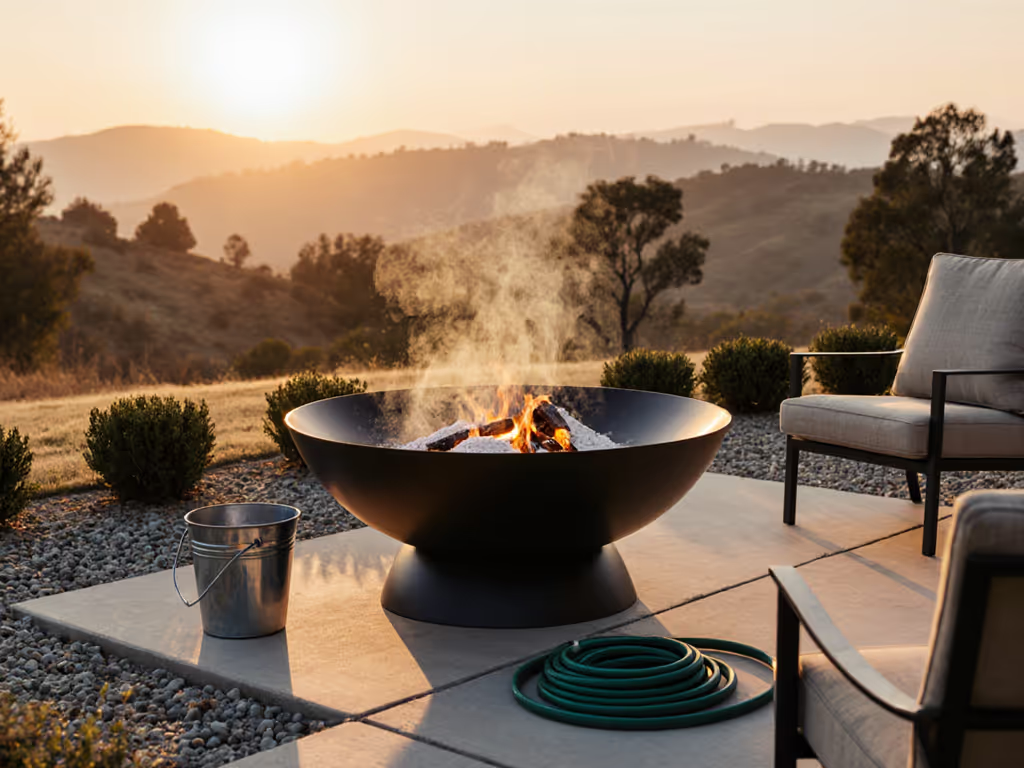
Water is effective but risky. Pouring water too quickly can crack ceramic or metal fire pits due to sudden temperature shifts. Instead, use a watering can or spray nozzle for a gentle flow, then stir with your fire pit poker and repeat until there's no steam or hissing.[5]
If water isn't available or you're in a dry area, sand or dirt works equally well. It blocks oxygen and helps extinguish embers without temperature shock. Keep a small bucket of dry sand nearby as a backup.[1][5]
After dousing or smothering your fire, place your spark screen over the pit to keep remaining embers contained while they cool.[5]
Never use water on a propane or gas fire pit; use the manufacturer's shutoff procedures instead.[5]
Weather Awareness and Wind Mitigation
How does wind complicate ember control, and what's the playbook?
Wind is the adversary. Windy weather can blow embers into surrounding areas and create potential fire hazards.[4] In drought zones, even moderate wind can carry sparks across property lines into dry landscaping or neighbor spaces.
On windy days, postpone wood-burning in favor of gas, or reduce fuel load and monitor actively. Position your fire pit in a protected courtyard if available, rather than exposed on a rooftop or open patio. Use wind guards or deflectors if offered by your model. For breezy locations, see our wind-resistant fire pit picks with setup tips and verified performance data.
The core practice: protect lungs, then chase ambiance. On high-wind or high-AQI days, consider alternative gathering formats, because gas provides the ambiance without the ember scatter.
Neighbor Harmony and Local Codes
How do I ensure my fire pit setup won't trigger complaints or HOA violations?
Burn bans are common in drought zones. Check your local ordinances before ignition season begins. Our state-by-state fire pit regulations guide helps you confirm HOA rules and local ordinances before you light up. Many jurisdictions impose fire pit restrictions during dry months, seasonal fire alerts, or poor air-quality days. Compliance isn't bureaucratic busywork, it's the difference between a welcoming host and a liability.
Inform neighbors proactively about your setup. Mention your spark screen, elevated placement, and fuel strategy. This preemptive candor builds trust. Colorado homeowners report 80% fewer ember incidents after installing reinforced screens, and word-of-mouth among neighbors often follows.[1]
If your HOA or municipal code allows wood fires, document your compliance with photos of clearances, screen installation, and spark containment measures. This transparency protects you if a complaint surfaces.
Further Exploration
As you refine your fire pit setup, consider these next steps:
- Invest in a spark screen fitted specifically for your pit model; ill-fitting barriers defeat their purpose.
- Monitor fuel moisture with a simple wood moisture meter (under $20); this single measurement reshapes combustion quality.
- Test your setup on low-wind evenings before hosting larger gatherings; this rehearsal reveals gaps and builds confidence.
- Document your clearances and safety measures for insurance or code compliance; photos speak louder than explanations.
- Shift to gas during peak drought or poor air quality days, preserving wood ambiance for safer seasons.
- Engage your neighbors early; a five-minute conversation before your first fire prevents months of tension.
The goal isn't perfection, it's responsibility. Cleaner burns travel farther than apologies and air purifiers. When you prioritize ember containment, fuel selection, and neighbor awareness, you don't just host a gathering; you model what thoughtful hospitality looks like in a climate-conscious era.
Related Articles