Fire Pit Emergency Protocols: Wildfire Season Guide
By Amina Diallo • 10th May
Introduction: Data Meets Responsibility
During wildfire season, fire pit emergency protocols and wildfire season fire pit safety aren't theoretical, they're the difference between a trusted neighbor and a liability notice. When regional air quality deteriorates and burn bans tighten, the question shifts from "how do I light this?" to "should I?" and "what's my shutdown sequence?" This guide uses emissions data and real-world testing to show you how to respond responsibly when conditions change.
FAQ Deep Dive: Essential Protocols
What Triggers an Emergency Fire Pit Shutdown During Wildfire Season?
The answer is rarely obvious. Fire pit temporary fire bans are typically issued when one of three thresholds is crossed.
First, Air Quality Index (AQI) levels. Most jurisdictions prohibit outdoor burning once AQI reaches 150-200 (unhealthy to very unhealthy category). My early work in emissions testing involved deploying two low-cost PM2.5 sensors and a box fan in a small courtyard to trace how smoke dispersal changed between still and gusty conditions. The dispersion curve told the story: a single wood pit burning for 90 minutes with stagnant air raised neighborhood PM2.5 measurably. When a neighbor with asthma followed up after we adjusted fuel load and startup kindling, she wrote: "Whatever you changed, keep it. I could breathe." That feedback crystallized the stakes. When a neighbor with asthma can feel the difference in air quality, you're measuring something that matters.
Second, fire weather alerts or red flag warnings. When the National Weather Service or local fire marshals issue critical fire condition warnings (low humidity, high winds, elevated fire danger), most municipalities implement automatic bans. These are not suggestions.
Third, local ordinance thresholds. Your city or HOA may have standing rules: no outdoor burning above a certain wind speed, humidity, or temperature. For specific ordinance details and HOA restrictions, see our fire pit regulations guide.
The safest protocol is to check your local fire marshal's website and subscribe to AQI alerts the moment wildfire season begins in your region.
How Do I Execute an Emergency Fire Pit Shutdown Safely?
Emergency fire pit shutdown requires a sequence, not panic. Here's the evidence-backed routine.
For wood or wood-pellet units:
- Stop adding fuel immediately.
- Allow existing combustion to reach glowing coals (do not douse an active flame with water, this risks steam burns and spreads soot and ash into neighbors' yards).
- Use a metal poker to break up coals and expose ash underneath, which cools them faster through exposure.
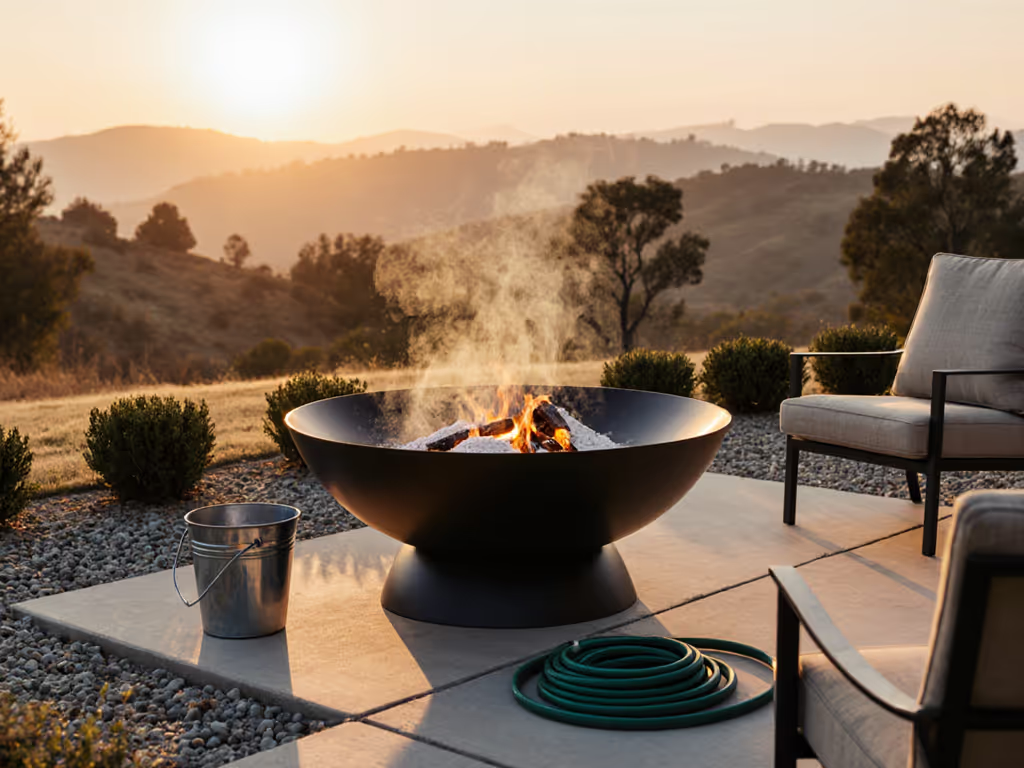
- Once coals show no orange, apply water gently in a circular pattern, starting at edges and moving inward. Keep a garden hose nearby.
- Stir the ash again to release trapped heat.
- Wait 10-15 minutes and feel the pit exterior with the back of your hand. If it's cool to the touch, you're clear. For drought-season ember control and ash management, follow our wildfire-safe wood burning checklist.
For propane or natural gas pits:
- Turn off the gas valve immediately.
- Allow the burner to cool naturally (gas fires extinguish within seconds).
- Do not spray water on a hot burner (thermal shock can damage internal components).
- Once cool, verify the gas valve is off by listening for hissing.
For pellet-fed automated units:
- Cut the power switch to stop the feed motor.
- Let combustion wind down through the unit's automatic cycle.
- Follow the manufacturer's shutdown procedure before manual water cooling.
Improper shutdown leaves embers that reignite or creates hot ash clouds that drift into adjacent properties. Cleaner burns travel farther than apologies and air purifiers.
What Does Community Fire Pit Coordination Look Like During Bans?
Community fire pit coordination is often overlooked but critical in dense neighborhoods. For communication scripts and timing, use our fire pit etiquette guide. Here's what responsible hosts do:
- Notify neighbors in advance. A brief message ("We're putting the fire pit in storage until AQI drops; will update you") builds trust before restrictions arrive.
- Share real-time data. If you're monitoring air quality with a low-cost sensor ($50-150), share that data informally with neighbors or your HOA. Transparency signals integrity.
- Align with building policies. Coordinate shutdown timing with property management or the HOA. No solo exceptions, this prevents resentment and confusion.
- Respect vulnerable residents. Asthma, COPD, and immunocompromised neighbors depend on air quality compliance. Cleaner by design, not by accident.
What Are High-Risk Fire Pit Protocols for Extreme Fire Conditions?
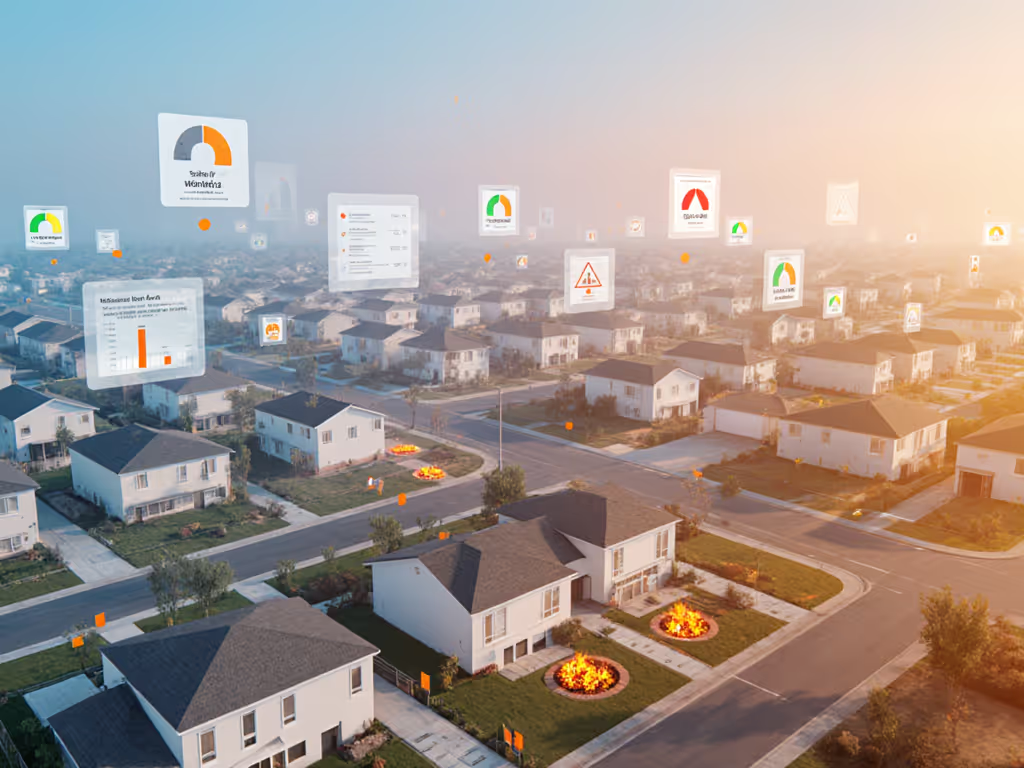
High-risk fire pit protocols apply when your region enters critical fire season (late July-September in many areas, or during active emergencies). The logic is plain: if wildfire is active within 50 miles and air is already smoke-saturated, your patio fire is a liability.
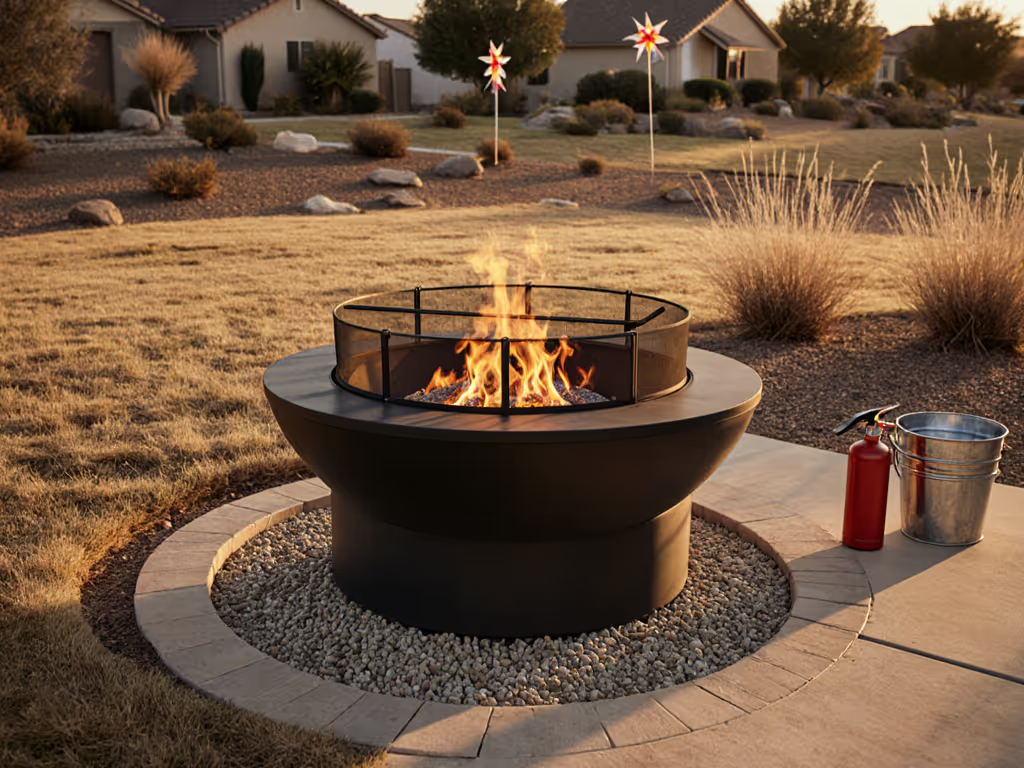
Stage 1 (Yellow Alert - High Fire Danger): Pits are typically allowed. Use only seasoned wood or pellets. Keep water or an extinguisher accessible. Avoid peak heat hours (2-5 PM). Don't light under pergolas or near eaves where smoke accumulates.
Stage 2 (Orange Alert - Extreme Fire Danger): Many jurisdictions move to permit-only. Check before lighting. If permitted, limit burns to under 60 minutes, use gas only (lower particulates than wood), and stay actively monitoring, no unattended fires.
Stage 3 (Red Alert - Critical Fire Danger or Active Evacuation): All outdoor burning is prohibited in most jurisdictions. Full shutdown applies. This is non-negotiable. Your decision to not use the pit signals that safety matters more than ambiance.
During Stages 2 and 3, abstaining from fire pit use is the most generous form of hospitality: cleaner air and a message that your community takes fire risk seriously. For region-specific red flag protocols and alert workflows, see our wildfire-zone emergency fire pit guide.
How Do I Prepare My Fire Pit for Safe Operation Before Wildfire Season?
Preparation reduces risk when conditions deteriorate. The sequence:
- Inspect and document the pit's condition: exterior material, seals, burner integrity for gas models.
- Position it correctly before the season: at least 10 feet from siding, 15 feet from overhanging eaves, and on non-combustible decking (never wood or composite).
- Test your shutdown procedure in May or June when conditions are safe. Don't discover broken water pressure or a faulty gas valve on an emergency day.
- Pre-download your local fire marshal's contact and check their website weekly from June onward.
- Discuss contingencies with frequent guests: If the fire pit isn't usable mid-season, do they have indoor heating access, blankets, or heated beverages? Anticipating disappointment beats managing last-minute friction.
Conclusion: Further Exploration
Fire pit emergency protocols aren't just compliance checkboxes, they're the backbone of being the neighbor others trust. Your willingness to monitor conditions, shut down responsibly, and coordinate with your community sets a precedent: outdoor ambiance is a privilege, not a right, especially when air quality and fire danger are at stake.
As wildfire seasons extend across North America, the hosts who prepare early, measure often, and communicate openly will retain their fire pits and their neighbors' goodwill. Those who cut corners will face bans, complaints, and worse.
To move forward:
- Subscribe to your local Air Quality Index alerts now.
- Review your city or county fire marshal's specific burn ban criteria and emergency contact.
- Walk your yard and verify pit location meets clearance standards (10+ feet from structures).
- Test your shutdown procedure if you haven't in the past 12 months.
- Share this guide with neighbors or your HOA, shared knowledge reduces panic during alerts.
Cleaner air is the most generous form of hospitality. Protocol proves it.
Related Articles