Buying Guides & Top Picks
Rooftop Fire Pit Review: 7 Quiet, Code Smart Urban Picks
21st May•15 min read
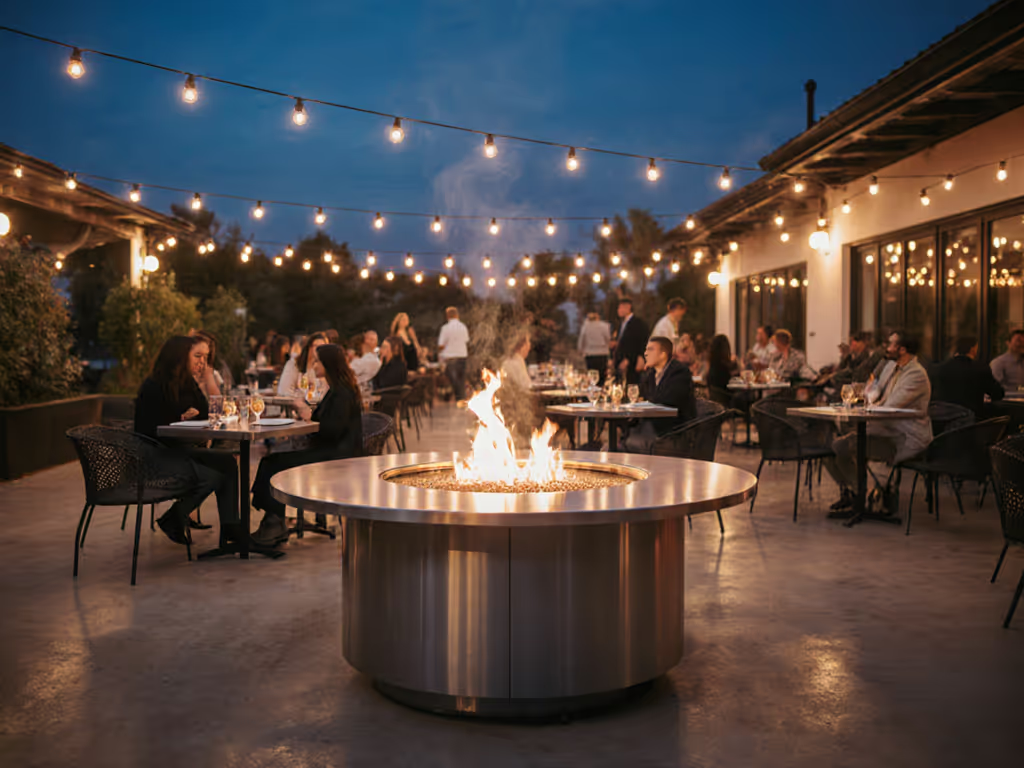
Hospitality-grade fire pits are engineered for relentless use, guest turnover, and reliable performance where downtime and failures are costly. Unlike residential models built for occasional entertaining, commercial fire pit hospitality equipment must deliver consistent heat, controllable ambiance, and fail-safe operation across variable weather, foot traffic, and operational rhythms. Whether you're outfitting a resort patio, restaurant gathering zone, or high-volume event venue, selecting the right model hinges on durability, seating capacity, fuel efficiency, and safety compliance (not aesthetics alone).
High-turnover environments demand fire pit models that can withstand:
Residential fire pits may tolerate surface rust or intermittent ignition hiccups; hospitality equipment cannot. A single flame-out during a 50-person wedding rehearsal or a spark screen failure in a coastal resort can trigger liability, brand damage, and regulatory scrutiny. Avoid citations and closures by reviewing our fire pit regulations guide. This reality shapes material selection, engineering redundancy, and operational protocols. For model picks and ROI benchmarks tailored to restaurants, hotels, and bars, see our commercial hospitality fire pit roundup.
Fire pits in hospitality settings operate at or near maximum capacity for 4-8 hours per evening, multiple days per week. Search the market and you'll find models constructed of heavy-gauge steel, cast iron, or stainless steel (each with distinct trade-offs).
Heavy-gauge steel offers affordability and thermal mass for radiant heat but requires robust powder coating to resist rust and salt spray. In coastal or wet climates, plan for re-coating every 2-3 years and specify marine-grade or epoxy finishes. For salt-air longevity and maintenance trade-offs, compare Corten vs stainless steel before finalizing materials.
Cast iron retains heat exceptionally well and develops a seasoning layer that protects against corrosion when maintained correctly. Cast iron models (like the Original Sherman Cooker) excel in multi-fuel scenarios: wood, charcoal, and gas, making them adaptable as guest preferences or operational constraints shift. However, cast iron is heavy, complicates placement on rooftop decks, and demands post-use seasoning to prevent rust.
Stainless steel resists rust, salt spray, and discoloration without re-coating, making it the preferred choice for commercial grills and fire tables in high-moisture environments. Stainless models cost 30-50% more upfront but deliver decade-long durability with minimal maintenance.
Use this sizing framework that applies directly to hospitality planning:
| Fire Pit Size | Seating Capacity | Best For |
|---|---|---|
| 36"-42" Round/Square | 4-6 people | Intimate lounge nooks, bar patios |
| 55" Rectangle | 6-10 people | Restaurant patios, casual mingling |
| 60"+ Linear Fire Pits | 10-16+ people | Hotels, event venues, rooftop lounges |
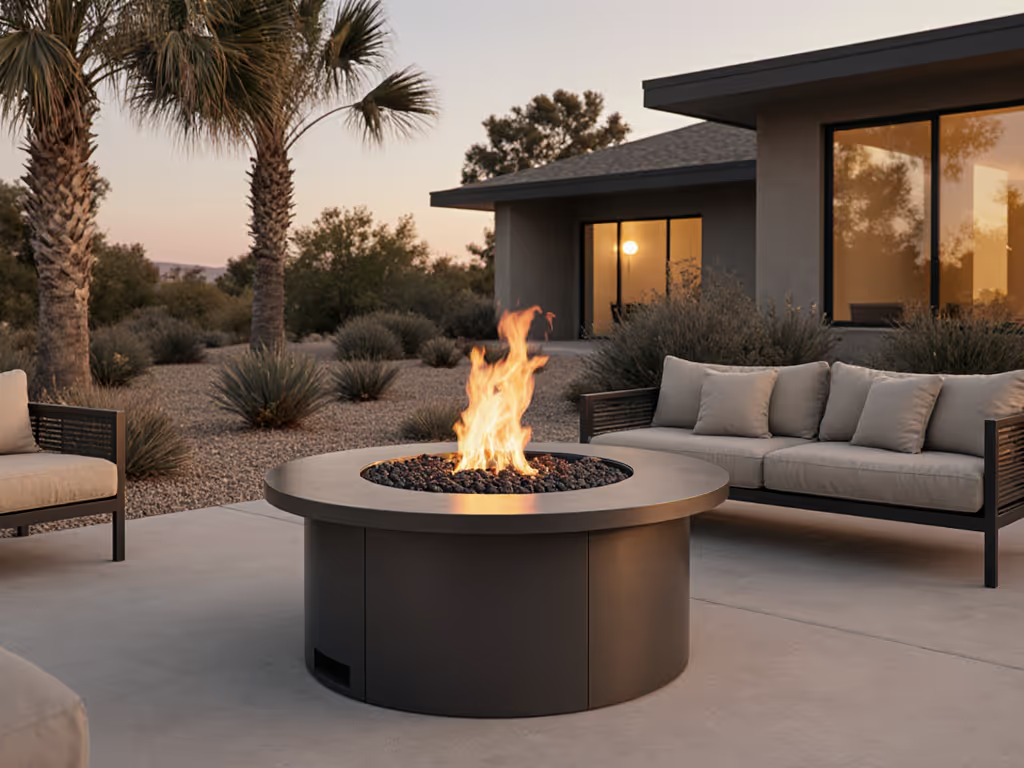
Round fire pits (including a 42 inch Beton model) distribute heat evenly in all directions, making them ideal for small-to-medium cocktail gatherings where guests can rotate or cluster. A round fire pit also presents fewer wind-shadow zones than linear models, meaning consistent warmth even when evening breezes shift.
Rectangle and linear models maximize social throughput by accommodating 8-12+ seated or standing guests in a single social zone. Hotels and large resorts favor 60-100 inch linear tables, which function as physical gathering points and allow staff to manage multiple heat zones (brighter flame at ends, lower intensity at center for conversation).
Critical checkpoint: Confirm that your site's electrical hookup, propane supply line, or gas main can support the BTU output and ignition load of your intended size tier. Undersized infrastructure forces repeated fuel refills or weak flame, degrading the guest experience and revealing the compromise to regulars.
Hospitality fire pits rely on one of three fuels, each with operational and compliance implications:
Wood-fueled models evoke authentic ambiance but demand daily ash cleaning, frequent refueling, and variable flame control. Regulatory bodies often restrict indoor wood burning; many urban venues prohibit it entirely. Wood smoke also triggers complaints from nearby residents and may activate HOA/city-level burn bans during high-AQI seasons.
Propane fire pits offer quick ignition, adjustable flame control, and no ash residue (critical for high-turnover venues where dwell time between guests is 30 minutes or less). Propane models scale easily (portable for seasonal setup or integrated into permanent installations) and simplify compliance because propane burns cleanly and produces no spark risk. Operationally, budget for weekly propane refills if running 4+ hours daily; ensure backup tanks are stored offsite to comply with fire code volumetric limits.
Natural gas (hardline) is the gold standard for permanent resort, hotel, or high-volume restaurant installations. Gas is delivered on-demand via buried or overhead lines, eliminating refill logistics and fuel storage liability. Installation requires licensed gas fitter sign-off and often adds $1,500-$5,000 to project cost, but the operational payoff is dramatic: flame is 100% controllable via wall-mounted ignition systems, automated pilots reduce cold-start labor, and maintenance is confined to annual inspection.
The Original Sherman Cooker, designed as a dual-fuel multi-purpose cooker, exemplifies flexibility: it accepts wood or charcoal for authentic fire-roasting or gas for fast, repeatable heat, which is useful for venues that want flexibility without committing to a single fuel type.
Beton's 42 inch Round Propane Fire Pit is a textbook small-venue model. At 4-6 seating capacity, it fits boutique hotel courtyards, upscale bar patios, and private club lounges. Propane ignition is instantaneous, and the compact footprint minimizes heat radiation to surrounding siding or property lines (a regulatory advantage in tight urban settings). Expected lifespan with marine-grade powder coat: 5-7 years in coastal climates; 8-10 in dry regions. Maintenance: monthly inspection of burner holes, weekly tank checks.
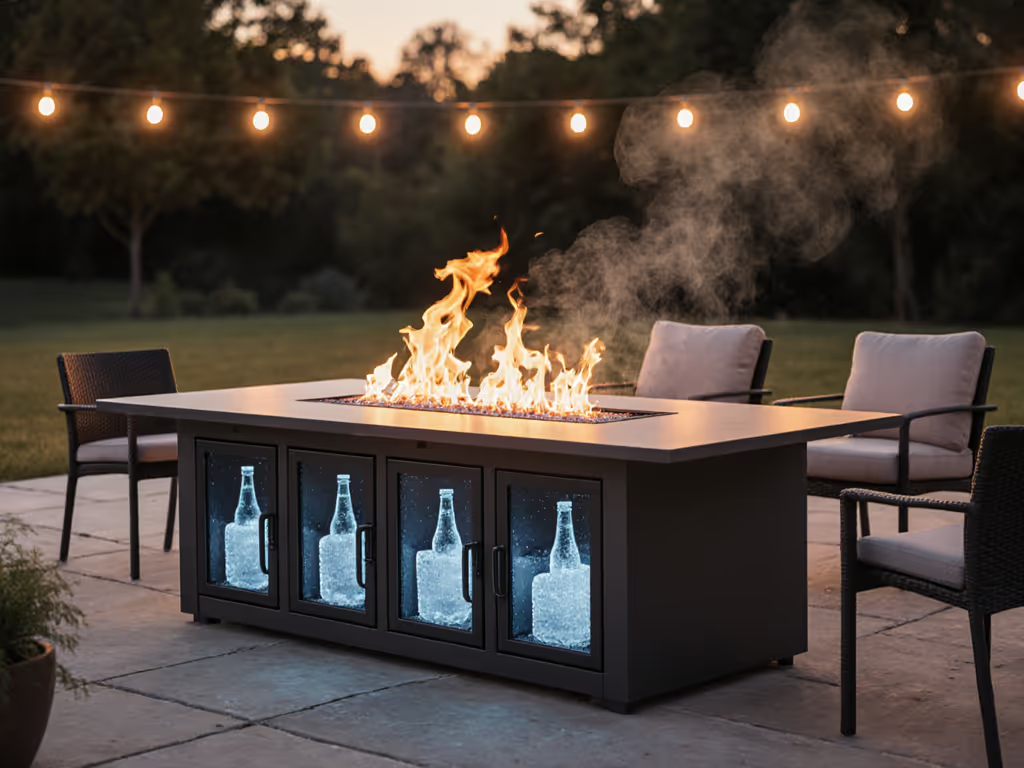
Beton's 55 inch Rectangle Hidden Propane Fire Pit addresses 6-10 person capacity and represents the most common hospitality sweet spot. "Hidden propane" means the tank and supply lines are concealed beneath the table surface or integrated into a decorative base, preserving aesthetic appeal, which is critical for venues where the fire pit doubles as an Instagram moment. Rectangle geometry also accommodates side tables and bar seating without dead zones. In restaurant settings, such models often anchor a 2,000-5,000 sq ft patio and operate 5-6 nights per week, 4-6 hours per evening. Total cost of ownership over 10 years: ~$3,000-$5,000 (including propane, covers, annual servicing).
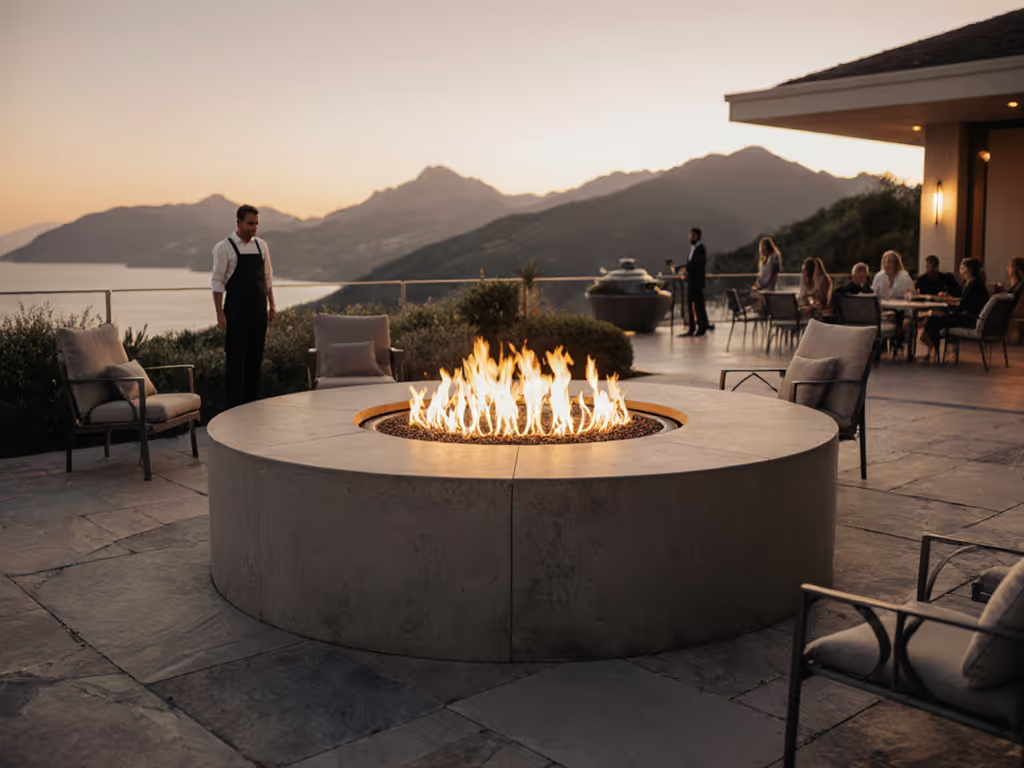
The 10 ft Copper Spartan Fire Pit exemplifies the large linear segment, engineered for 10-16+ person gatherings in hotel lobbies, resort courtyards, or rooftop event spaces. Copper finish resists salt spray better than standard steel and develops a distinctive patina that reads as "curated luxury." A 10 foot linear model requires dual burner zones to maintain even flame and heat distribution; this redundancy ensures one zone can fail without complete service loss (a silent safety feature valued in high-liability environments). If you're choosing between ring, linear, or pan burners, our gas burner showdown charts heat distribution and efficiency for large-format pits. Seating radius extends 8-12 feet from the flame center, making these models centerpieces of multi-table social zones.
For large linear models, specify stainless steel burner components and commercial-grade propane regulators (not consumer-grade) to handle variable demand and winter temperature swings. Budget $600-$1,200 annually for professional servicing, inspection, and fuel supply management.
The Original Sherman Cooker and similar dual-fuel cast iron models serve venues that host both intimate cookouts and group events. Cast iron construction accepts wood, charcoal, and propane, so a single platform can shift use cases without asset duplication. This is particularly valuable for resort properties that host both casual guest s'mores and premium catered dinners. Trade-off: cast iron requires post-use seasoning and careful ash removal to prevent rust; it's heavier than steel (often 200+ lbs), complicating placement on rooftop or elevated decks. In hospitality settings, dual-fuel models are best for properties with dedicated staff to manage seasonal transitions and maintenance rituals.
Hospitality-grade fire pits operate in high-visibility, high-liability environments. A single spark escaping a defective spark screen or a missed clearance to siding can trigger citations, lawsuits, and reputation damage. When in doubt, increase distance.
All hospitality fire pit models must include:
Local fire codes vary, but the industry standard is:
The practical protocol is similar to the condo board approach: mark allowable zones with physical markers (tape or chalk), conduct a pre-season thermal survey with a non-contact IR thermometer, and share zone maps with staff and guests. This invisible safety, handled beforehand, eliminates ambiguity and liability exposure on the night. For a complete checklist of protocols and emergency steps, see our fire pit safety guide.
If evening ambient temperature is below 50°F then increase propane burner BTU output to 35,000+ to overcome radiant heat loss and maintain comfortable seating radius.
If local AQI (air quality index) exceeds 150 then operate no wood-fueled models; switch to propane or suspend fire pit service until AQI drops below 100.
If winds exceed 15 mph then deploy wind guards or rotate tables to sheltered positions; winds above 20 mph should trigger closure of the fire pit to prevent embers from escaping the containment zone.
If tank pressure drops below 20% then schedule refill for the next business day; do not operate the pit on low pressure, as flame becomes unstable and ignition fails intermittently.
If spark screen shows tears, corrosion, or gaps then repair or replace before next operational day; spark screen integrity is non-negotiable.
To select and deploy a hospitality-grade fire pit for high-turnover use:
Step 1: Audit Your Venue Map seating capacity, measure clearances to siding and overhead structures, confirm fuel supply (propane lines, gas main, or wood storage), and verify local zoning codes. Contact your fire marshal's office and insurance carrier to confirm permitted size tier and required safety features. Document all restrictions in a site-specific deployment checklist.
Step 2: Size by Social Pattern If your venue averages 4-6 guests per service rotation, specify a 42 inch round model. For 6-10 guests, a 55 inch rectangle. For 10-16+, a 60"+ linear model. Consult the sizing table above and confirm that propane supply (or gas line capacity) matches the BTU demand of your chosen model.
Step 3: Specify Materials & Durability Grade In coastal or wet climates, mandate stainless steel or marine-grade powder coat; budget for re-coating or replacement in 5-7 years. In dry climates, standard heavy-gauge steel is acceptable; expect 8-10 year lifespan. For multi-fuel flexibility, evaluate cast iron dual-fuel models and confirm staff training is available.
Step 4: Install Safety Infrastructure Before first operational day, conduct a thermal survey with an IR thermometer, stake clearance zones, and test spark screen integrity. Install a sign listing spark screen and wind limits; post emergency shutoff procedures for staff.
Step 5: Establish Maintenance & Log Protocol Designate a staff lead for weekly pressure/inspection checks (propane) or burner-hole cleaning (wood models). Maintain a log noting fuel consumption, maintenance dates, and any operational anomalies. Annual professional inspection is mandatory for commercial installations.
Step 6: Train Staff & Create Guest Scripts Brief staff on ignition procedures, shutdown sequence, and when to deploy wind guards or suspend service. Prepare a brief guest orientation ("Our fire pit is part of the experience - here's how we keep it safe and cozy") to normalize the presence and set expectations.
Executing this checklist-first approach eliminates the last-minute scramble, reduces liability exposure, and ensures guests experience the warmth and ambiance they expect, without the anxiety.
Hospitality-grade fire pits demand more than aesthetic appeal and generous BTU output; they require evidence-backed material selection, code-compliant sizing, reliable fuel delivery, and rigorous safety infrastructure. High-turnover venues thrive on models that ignite consistently, withstand salt spray or wet winters, operate at peak capacity multiple nights per week, and require minimal emergency repair. Whether you're deploying a 42 inch round intimate gathering point, a 55 inch rectangle restaurant anchor, or a 10 ft linear resort centerpiece, the path forward is clear: audit your venue against local codes, match size to guest flow patterns, specify durable materials suited to your climate, and build an operational protocol grounded in thermal data and regulatory checklists. Safe nights start with clearances, lids, and shared expectations (handled long before the first guest arrives).